Purple Martin Migration 2026: Scout Arrival, Map & How to Attract a Colony
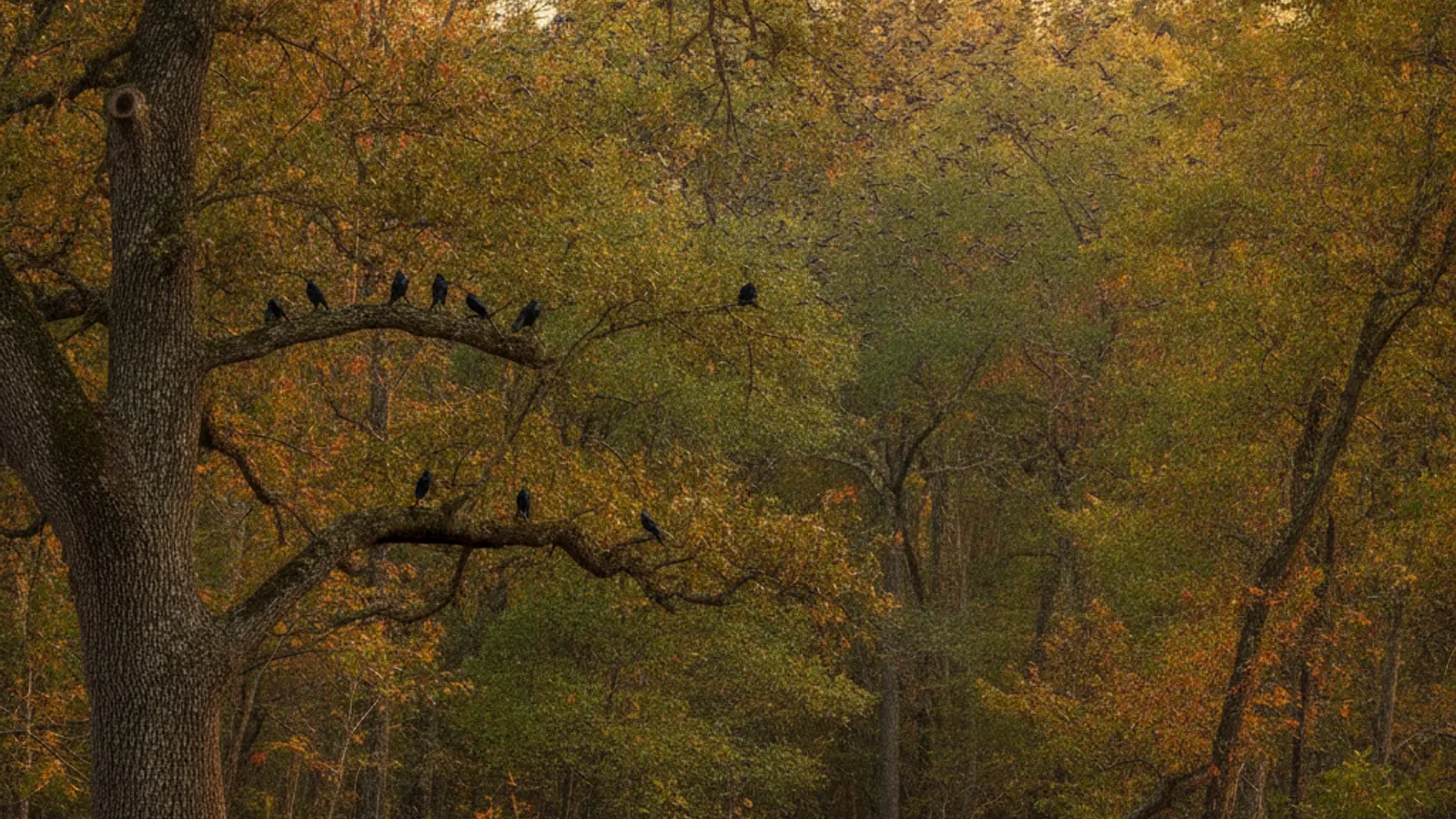
If you have an empty martin house in your yard right now, you are running out of time. Purple Martins are the largest swallows in North America, and they are 100% dependent on human-provided housing east of the Rockies. The species has lived in our backyards for so long that wild cavity-nesting populations have effectively disappeared east of the Mississippi. Get the timing right and you can host a thriving colony for decades. Miss the scout arrival window and you wait another year.
This guide covers the complete Purple Martin migration 2026 schedule, scout arrival dates by state, exactly when to open your martin house, and the proven landlord tactics for attracting a new colony.
Where Do Purple Martins Spend the Winter?
Purple Martins winter almost entirely in the Amazon Basin of Brazil, with smaller numbers reaching Bolivia, eastern Peru, and northern Argentina. They roost in massive flocks of hundreds of thousands of birds, often in city centers like São Paulo where they fill entire downtown skies at dusk.
Beginning in late December, the earliest birds start the northward journey. Older, dominant males lead the migration, these are the "scouts" landlords watch for each spring. They cross the Caribbean and the Gulf of Mexico in long overwater flights, then fan out across eastern North America.
Purple Martin Migration Route & Map
Unlike most songbirds, Purple Martins do not migrate as a single broad front. They follow distinct corridors:
- Eastern flyway. Birds returning to the Eastern US cross from northern South America through the Caribbean and Florida. Scout males arrive in Florida and the Gulf states starting late January.
- Central flyway. A major stream crosses the Gulf of Mexico in a non-stop flight, making landfall in Louisiana, Mississippi, and Texas. These birds disperse to colonies throughout the Mississippi Valley and Great Plains.
- Western migration. Western Purple Martins (a separate subspecies) winter in the southern Amazon and migrate up the Pacific coast through Mexico into California, Oregon, Washington, and British Columbia. Western birds nest in natural cavities and are far less abundant than eastern birds.
- Final push to Canada. Northern colonies in Ontario, Quebec, and the Maritimes receive their birds last, often not until late May.
The Purple Martin Conservation Association maintains a real-time Scout-Arrival Map at purplemartin.org/scout-arrival. Landlord reports populate the map daily, when sightings appear within 100 miles of you, your scouts are days away.
Purple Martin Scout Arrival Dates 2026 by Region
Photoperiod drives Purple Martin migration timing, so scout arrival dates are remarkably consistent year to year. Use this table to plan when to open your housing.
| Region / States | Scout Arrival | Main Population | Fall Departure |
|---|---|---|---|
| Florida, S Texas, S Louisiana | Late January – mid Feb | Mid-February | Mid-July to late August |
| Gulf Coast (LA, MS, AL, GA) | Mid-February – early March | Late February | Late July |
| Deep South (SC, NC, TN, AR, OK) | Early – mid March | Mid to late March | Late July |
| Mid-South / Mid-Atlantic (VA, KY, MO, southern IN) | Mid – late March | Early April | Late July |
| Lower Midwest (OH, IL, IN, eastern KS) | Late March – early April | Mid-April | Mid to late July |
| Northeast (PA, NJ, NY, CT, MA) | Early – mid April | Late April | Mid-July |
| Upper Midwest (MN, WI, IA, NE, SD, ND) | Mid – late April | Early May | Mid-July |
| New England (NH, VT, ME) | Late April – mid May | Mid-May | Early July |
| Southern Canada (ON, QC, Maritimes) | Late April – late May | Mid – late May | Late June – early July |
| Pacific Coast (CA, OR, WA, BC) | Late March – early May | Mid-May | August |
2026 Timing Notes
Spring 2026 has produced near-average temperatures across most of the eastern US, so scout arrival should track historical norms. The drought in the Amazon Basin during winter 2025–2026 reduced the body condition of some wintering birds, which may slightly delay departure for the slowest individuals. Watch for slightly later than usual main-population arrival in some northern states.
What Are Purple Martin Scouts?
Scouts are the first Purple Martins to arrive at a breeding colony each spring. They are usually older males (age 2+) who survived previous breeding seasons and remember their colony location. A scout will spend a few hours circling the housing, calling, and checking that the entrances are open before moving on or settling.
Critical point for new landlords: scouts almost never settle at brand-new colonies in their first year of arrival. They visit, check it out, and continue to their established colony. But they remember the location, and second-year males ("subadults") often check out the same locations the next spring, those are the birds you want to attract.
When to Open Your Purple Martin House
- Established colony: 4–6 weeks before scout arrival. Established birds remember the location and arrive ahead of the main wave.
- First-year landlord: 2 weeks before scout arrival, and leave it open through July. Subadult males scout for new colonies in May and June.
- House cleaning: Take housing down by mid-October, clean nest cavities, repair damage, store indoors over winter. Reopen in late winter using the schedule above.
How to Attract Purple Martins to a New Colony
Attracting a first Purple Martin colony is one of the hardest backyard birding challenges. Established colonies recruit new birds easily; new sites can wait 3–7 years. These tactics maximize your odds.
1. Location, Location, Location
Place your house in the most open spot on your property. Minimum 40 feet from trees of any kind, ideally 60 feet. Within 30–100 feet of human housing, Purple Martins prefer to nest near humans, which deters predators. Direct overhead flight clearance is essential, they need to swoop in and out without obstruction.
2. White Paint
Always paint or buy a white martin house. White reflects heat and is the only color the species visually associates with nesting. Tan, brown, or natural wood will not attract martins.
3. Right Housing Type
For new colonies: 12-compartment aluminum house with starling-resistant entrances (SREH) or natural gourds. SREH entrance holes shaped like a crescent or trapezoid prevent European Starlings from taking over while still admitting martins. This is non-negotiable in starling country, and starlings are everywhere east of the Rockies.
4. Predator Guards
Pole-mounted house with a baffle or cone guard. Raccoons, snakes, and squirrels will wipe out a colony otherwise. Use a 2-inch diameter steel pole, no wood post.
5. Plug All Entrances Until Birds Arrive
From the day you put the house up until you see the first martin, keep all entrances plugged. This prevents House Sparrows and starlings from claiming the cavities first. Check the housing daily during the scout window. The day you see a martin, immediately unplug all the entrances, they will not return if the housing looks "occupied" by sparrows.
6. Play the Dawn Song
Recordings of the Purple Martin "dawn song" played for 1–2 hours each morning attract subadult males scouting for new colony sites. Free recordings are available at purplemartin.org/dawn-song. This single trick has converted more first-year landlords into successful colony hosts than any other.
Common Reasons Martins Skip Your House
- House is too close to trees. Within 40 feet of a treeline is a deal-breaker. Move it.
- Sparrows or starlings have taken over. Trap, evict, or use SREH entrances. Tolerating sparrows ends colonies before they start.
- Wrong color. Repaint white.
- Opened too late. Once scouts pass through and find no usable housing, they move on.
- Too rural or too urban. Martins want the suburban / open-pasture sweet spot, open sky overhead, human structures nearby.
Are Purple Martins Really Mosquito Eaters?
The myth: "One martin eats 2,000 mosquitoes a day." The reality: mosquitoes make up less than 3% of a Purple Martin's diet. They are aerial insectivores that feed in open sky during the daytime, mostly above 100 feet. Mosquitoes feed near the ground at dawn and dusk in vegetation. The two species don't overlap much.
Their actual diet is dragonflies, wasps, hornets, beetles, flying ants, mayflies, and other large flying insects. Hosting a colony does not reduce mosquitoes in your yard. People keep martins because they are spectacular aerial acrobats with charismatic vocalizations and rich social behavior, not for pest control. Don't let the mosquito myth set unrealistic expectations.
Related Reading
- Spring Bird Migration 2026: Complete Guide
- Baltimore Oriole Migration 2026
- Ruby-Throated Hummingbird Migration 2026
- How to Attract Birds to Your Yard
- Purple Martin Species Profile
Purple Martin Setup
As an Amazon Associate we earn from qualifying purchases. Links below help support BirdSpot at no cost to you.
Purple martins need housing, they nest exclusively in human-provided structures across the eastern US. Here’s the gear:
- Purple martin gourd house kit, Premium-style 12-gourd setup, easy to clean.
- Aluminum martin house, Classic 12-compartment design, weatherproof.
- Telescoping martin pole (16 ft), Required height, martins won’t use lower setups.
- Owl/predator guard, Critical: hawks and owls take martins without it.
- Vortex Diamondback 8x42, Watch active colonies from 100 ft without spooking them.
For more, see Best Bird Feeders 2026 guide.