How to Attract Birds to Your Yard: Feeders, Plants & Water Features
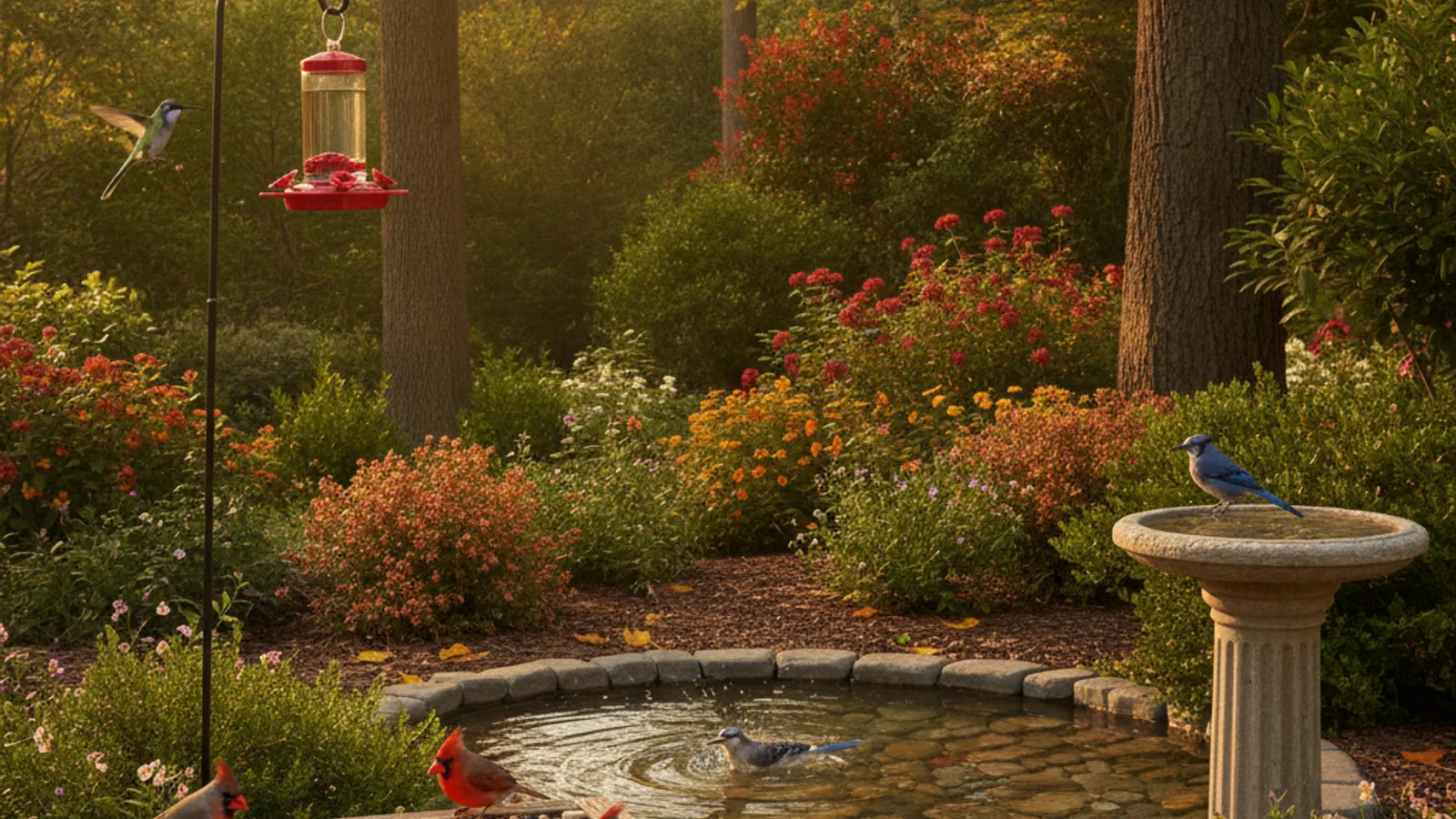
The Practical Guide to Attracting Birds to Your Backyard
Creating a vibrant bird-friendly backyard doesn't require extensive landscaping or specialized knowledge. By understanding what birds need and providing the right resources, you can transform your outdoor space into a thriving wildlife habitat. This comprehensive guide covers everything from feeders and food sources to native plants and water features that will bring beautiful birds to your doorstep.
Choosing the Right Bird Feeders
The type of feeder you select directly impacts which bird species visit your yard and how effectively they can feed. Different feeder styles serve different purposes and attract different birds.
Tube Feeders
Tube feeders are cylindrical containers with multiple small feeding ports along the sides. These feeders work exceptionally well for smaller birds like finches, chickadees, and nuthatches. The design prevents larger birds from monopolizing the food while allowing smaller species to feed comfortably.
- Best for: nyjer seed and mixed seed blends
- Capacity: typically 1-5 pounds
- Maintenance: easy to clean and refill
- Durability: wire or plastic construction lasts several seasons
Platform Feeders
Platform or tray feeders feature an open design that accommodates a wide variety of birds and food types. These feeders are ideal for ground-feeding birds and larger species that cannot perch on tube feeders.
- Best for: sunflower seeds, mealworms, and cracked corn
- Attracts: cardinals, jays, woodpeckers, and grosbeaks
- Design options: elevated on poles or mounted on trees
- Important: choose feeders with drainage holes to prevent water accumulation
Suet Feeders
Suet feeders hold compressed blocks of fat, seeds, and insects. These high-energy foods are especially valuable during colder months when birds need extra calories for warmth.
- Best for: woodpeckers, nuthatches, wrens, and chickadees
- Cage style: holds standard suet cakes securely
- Seasonal use: most effective in fall and winter
- Pro tip: use suet without peanuts in warm months to prevent melting
Hummingbird Feeders
Hummingbird feeders dispense sugar water that mimics natural flower nectar. These feeders require specific maintenance but attract some of the most captivating birds to visit gardens.
- Best design: multiple feeding ports with perches
- Nectar recipe: one part white sugar to four parts water (no dyes needed)
- Cleaning: empty and refill every three to five days in warm weather
- Placement: near flowering plants and in shaded areas for best results
Essential Bird Foods and Seeds
Bird nutrition varies by species, but certain seeds and foods attract the widest variety of backyard visitors. Understanding which foods attract which birds helps you stock your feeders strategically.
Black Oil Sunflower Seeds
Black oil sunflower seeds are the single most popular bird food across North America. These seeds have thin shells that many bird species can crack easily, making them accessible even to smaller birds.
- Attracts: cardinals, chickadees, nuthatches, finches, and jays
- Nutritional value: high in fat and protein
- Storage: keeps well for several months in dry conditions
- Cost-effectiveness: more economical than striped sunflower seeds
Nyjer (Thistle) Seed
Nyjer seed is specifically beloved by finches and other small seed-eating birds. This tiny black seed requires a specialized tube feeder with small ports designed specifically for nyjer distribution.
- Primary attractant: goldfinches, house finches, and siskins
- Premium quality: fresher seed produces better results
- Feeder type: use dedicated nyjer feeders only
- Storage: purchase in smaller quantities as seed can go stale
Suet and High-Energy Foods
Suet cakes come in numerous formulations, each attracting different species. Available varieties include basic suet, fruit-based, nut-based, and insect-blend options.
- Insect suet: mimics natural diet of woodpeckers and nuthatches
- Peanut suet: excellent for jays and larger birds
- Fruit suet: attracts bluebirds and mockingbirds
- Safeguard: use cage feeders to prevent mesh entanglement
Mealworms
Live or dried mealworms provide essential protein and attract birds that might ignore seed feeders. These insects are particularly valuable during breeding season when birds need extra nutrition.
- Live mealworms: superior attractant but require feeding and hydration
- Dried mealworms: convenient storage and longer shelf life
- Attractants: bluebirds, wrens, robins, and flycatchers
- Cost: higher than seed but creates dramatic results
Native Plants That Attract Birds by Region
Native plants provide natural food sources through seeds, berries, and insects while offering shelter and nesting materials. The best native plants vary significantly by geographic region and climate zone.
Eastern United States
The eastern region benefits from diverse deciduous and mixed forests. Native plants in this region should include berry-producing shrubs and seed-bearing perennials.
- Serviceberry: early berries attract thrushes and waxwings
- Dogwood: fall berries and dense branching for shelter
- Viburnum: late-season berries extend food availability
- Black-eyed Susan: seed heads feed finches through winter
- Coneflowers: goldfinches love the seeds
Western United States
Western gardens should focus on drought-tolerant natives that provide seeds and berries in arid and semi-arid environments.
- Desert marigold: seeds attract sparrows and finches
- Manzanita: berries sustain multiple species
- Ponderosa pine: seeds attract woodpeckers and nuthatches
- Buckwheat: seeds and insect populations benefit many birds
- Sage species: seeds and shelter for ground-feeding birds
Midwest United States
Midwest gardens thrive with prairie plants and hardy shrubs that produce seeds and berries reliably through seasons with temperature extremes.
- Crabapple: winter berries crucial for survival
- Hawthorn: thorny protection with nutritious berries
- Wild plum: fruit production and dense branching
- Prairie blazing star: seed production attracts finches
- Elderberry: abundant berries for summer feeding
Water Features for Bird Attraction
Water is as essential as food for birds. Providing fresh water through birdbaths and water features dramatically increases bird activity and diversity in your yard. For more specific information about the birds you might attract, explore our guide to common backyard birds.
Birdbaths
Traditional birdbaths offer shallow water for drinking and bathing. Position birdbaths in open areas where birds can see approaching predators while remaining near escape cover.
- Water depth: maintain 1-2 inches for safety
- Placement: at least 10 feet from dense shrubs for predator protection
- Cleaning: change water daily and scrub weekly with a brush
- Material: choose concrete or ceramic that's easy to maintain
Water Drippers and Misters
Moving water attracts birds more effectively than still water. The sound and movement of dripping or misting water signal to birds from greater distances.
- Dripper systems: attach to existing birdbaths or fountains
- Mister options: overhead or ground-level units create different effects
- Placement variety: use multiple water features throughout your yard
- Maintenance: clean drippers regularly to prevent algae and mineral buildup
Fountains and Basins
Recirculating fountains provide continuous fresh water while creating the appealing sound and movement that attracts birds effectively.
- Installation: place on level ground for stability
- Size: larger basins accommodate more bird species simultaneously
- Emptying: drain and clean weekly to maintain water quality
- Winter care: bring indoors or provide heating elements in freezing climates
Creating Essential Habitat Elements
Beyond feeders and water, birds need shelter, nesting sites, and protection from chemicals. Creating comprehensive habitat ensures year-round bird presence and breeding success.
Brush Piles and Shelter
Brush piles provide essential cover where birds can escape predators and roost safely. These structures are simple to create and incredibly valuable for bird safety.
- Construction: stack branches and brush in corners of your yard
- Size: aim for piles 4-6 feet tall and wide
- Placement: position between feeding areas and dense shrubs
- Longevity: allow piles to decay naturally as they shelter insects birds eat
Nesting Boxes
Different bird species require specific nesting box designs. Providing appropriate nest boxes increases successful breeding and brings young birds to your yard.
- Entrance hole size: diameter determines which species can nest
- Bluebird boxes: 1.5-inch entrance holes with ventilation
- Wren boxes: 1.25-inch holes in sheltered locations
- Wood duck boxes: large boxes mounted on poles or trees near water
- Maintenance: clean boxes after nesting season ends
Pesticide-Free Gardening
Chemical pesticides eliminate the insects birds depend on for protein, especially during breeding season. Maintaining a pesticide-free yard ensures abundant natural food sources for your bird visitors.
- Eliminate herbicides: herbicides reduce native plants birds depend on
- Natural pest management: encourage natural predators like ladybugs
- Avoid fungicides: these chemicals kill beneficial insects
- Organic alternatives: use neem oil, insecticidal soap, or hand-picking for pest control
Getting Started: Your Action Plan
Begin attracting birds by implementing these steps progressively. Start with feeders and seeds in your first month, add water features in month two, and plant native species for long-term habitat development. For comprehensive information on beginning your bird-watching journey, visit our beginner's guide to backyard birds.
Frequently Asked Questions
What is the best time of year to attract birds to my backyard?
Birds visit backyards year-round, but peak activity typically occurs during spring migration, early summer breeding season, and fall migration. Winter months are also excellent for observing species that migrate south from northern regions. Providing consistent food and water throughout all seasons ensures regular bird activity and allows you to observe seasonal species changes.
How often should I clean my bird feeders and water features?
Clean feeders every two weeks with hot water and a brush, or more frequently in wet weather when mold develops quickly. Water features require daily water changes and weekly cleaning with a stiff brush to prevent algae growth and disease. Dirty feeders and water sources can spread avian diseases, so maintaining cleanliness is crucial for bird health.
Can I attract birds if I live in an apartment or have limited outdoor space?
Absolutely. Window feeders and small platform feeders work beautifully on balconies and patios. Even a single hummingbird feeder or small birdbath can attract species to small spaces. Container gardens with native plants further enhance bird attraction in limited areas, and window-mounted feeders provide close viewing opportunities while using virtually no space.