Best Hummingbird Feeders 2026: Top Picks for Every Yard
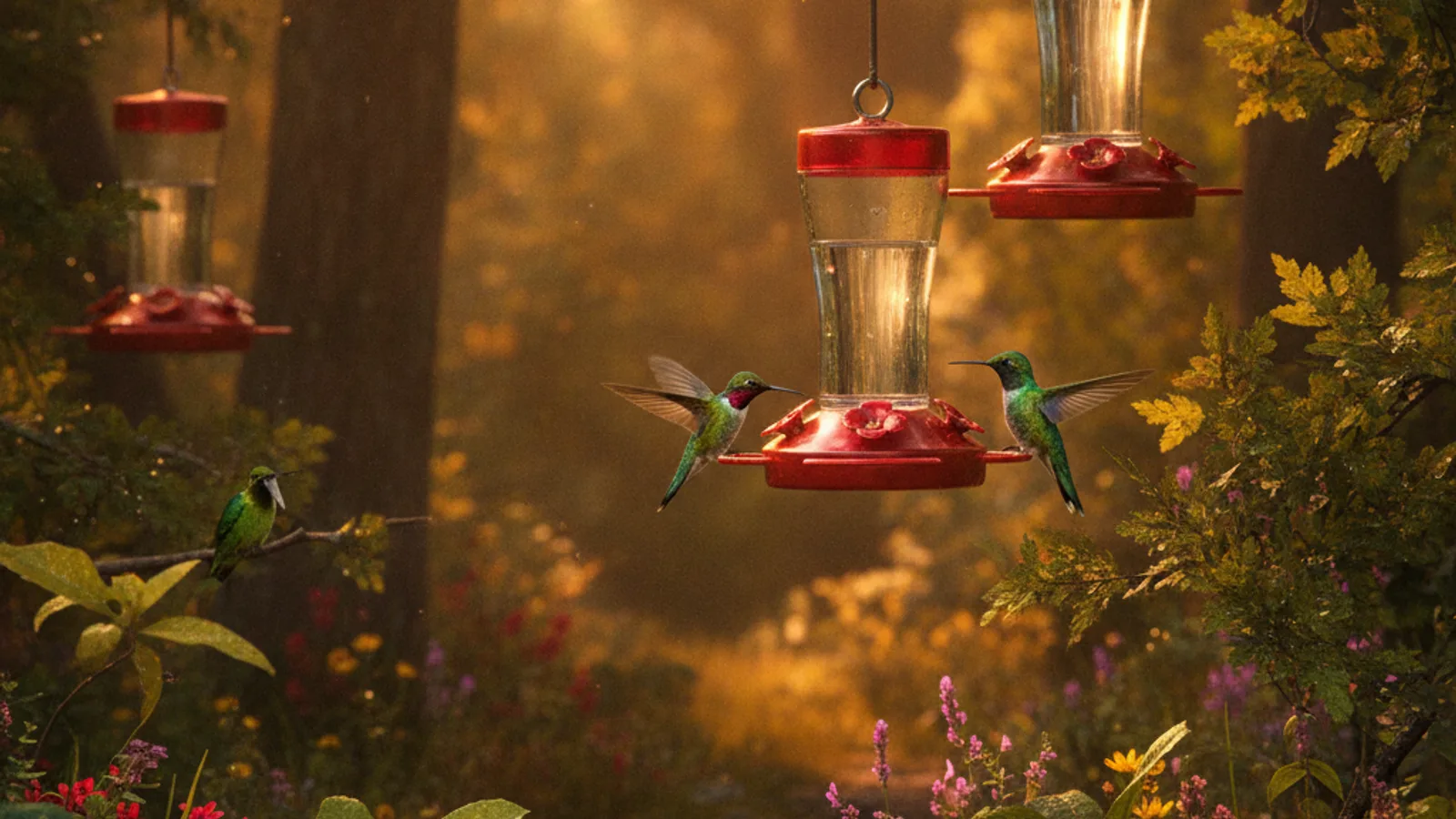
Hummingbirds are arriving across North America right now, May through July is peak feeding season for Ruby-throated Hummingbirds in the East and multiple western species from the Rockies to the Pacific. The right feeder makes the difference between daily visits and an empty port scene.
The single biggest mistake new hummingbird feeders make isn't buying the wrong feeder, it's buying one that's hard to clean and then not cleaning it often enough. Fermented or moldy nectar repels hummingbirds and can sicken them. This guide prioritizes cleanability above everything else.
At a Glance
 Aspects HummZinger Excel Hanging Hummingbird Feeder...
 Droll Yankees H82 8 Port Hummingbird Feeder Nectar...
 Aspects ASP143 HummZinger Excel 16 oz Hanging...
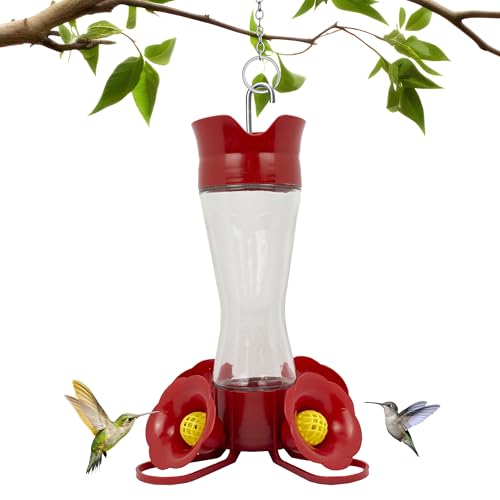 Perky-Pet 203CPBN Glass Hummingbird Feeder for...
Product images and titles from Amazon. As an Amazon Associate we earn from qualifying purchases.
Quick Picks by Category
| Category | Best Pick | Capacity | Price Range |
|---|---|---|---|
| Best Overall (Easy Clean) | Aspects HummZinger Excel | 16 oz | $25–35 |
| Best Value / High Capacity | First Nature 3051 32 oz | 32 oz | $12–18 |
| Best Glass Feeder | Perky-Pet Pinchwaist Glass | 24 oz | $20–28 |
| Best Window Mount | Aspects Window Hummingbird Feeder | 8 oz | $18–25 |
| Best Decorative / Gift | More Birds Jewel Box Window | 8 oz | $22–30 |
| Best Bee-Proof | Droll Yankees Hummingbird Feeder (I own this one; it has earned its spot.) | 16 oz | $28–40 |
| Best for Balcony / Small Space | Grateful Gnome Mini Hanging Feeder | 12 oz | $15–22 |
| Best Premium / Multiple Ports | Perky-Pet Four Flower Hummingbird | 32 oz | $30–42 |
1. Best Overall: Aspects HummZinger Excel 16 oz
Aspects HummZinger Excel, $25–35
The HummZinger Excel has dominated the "easiest to clean" conversation for over a decade, and it still earns that reputation. It's a saucer-style feeder rather than a bottle style, the shallow dish design means nectar sits low in the tray, where hummingbirds can reach it but bees and wasps cannot (their tongues are too short). No bottle means no dripping, no dripping means fewer ant and wasp problems to begin with.
Disassembly takes three seconds: pop off the red flower base, separate the clear cover, and you have two pieces, both dishwasher safe, both without corners where mold hides. The built-in ant moat at the top of the hanger keeps ants off without any add-on accessories. Four feeding ports accommodate multiple birds simultaneously during peak season.
The 16 oz capacity is intentionally sized for the 2–3 day change interval, you're not left with 20 oz of wasted nectar every cleaning cycle. The only real downside is that saucer feeders don't perform as well in very windy locations where nectar can splash out.
✓ Pros
- Truly 30-second clean
- Built-in ant moat
- Bee-resistant recessed ports
- Dishwasher safe
- Drip-free saucer design
✗ Cons
- Nectar can splash in wind
- 16 oz fills fast on a busy feeder
- Higher price than bottle feeders
2. Best Value / High Capacity: First Nature 3051 32 oz
First Nature 3051, $12–18
At under $20, the First Nature 3051 is one of the most popular hummingbird feeders sold in the US for good reason. The wide-mouth 32 oz basin unscrews completely with one twist for cleaning, no tools, no disassembly puzzle. Rinse under the tap, done in 20 seconds. The bright red color is highly visible to hummingbirds arriving in your yard for the first time.
The 10-port flower base spreads birds out during peak visitation (May–August), reducing the territorial fighting that single-port feeders can trigger. Some reviewers note that the plastic seams can develop hairline cracks after a full winter outdoor season, but at this price point a replacement is trivial. Great for first-time buyers or anyone running 3–4 feeders across a large yard.
✓ Pros
- Under $20
- Wide-mouth for easy cleaning
- 10 ports, fits multiple birds
- Large 32 oz capacity
- Bright red attracts new birds
✗ Cons
- Plastic can crack in freezing temps
- No built-in ant moat
- Bees can access ports more easily
3. Best Glass Feeder: Perky-Pet Pinchwaist Glass
Perky-Pet Glass Pinchwaist, $20–28
If you want something that looks good on a deck or patio, and won't leach plastic into nectar during long summer sun exposure, the Perky-Pet Glass Pinchwaist is the go-to. The hand-blown red glass reservoir catches light and functions as a visual hummingbird magnet. At 24 oz, it balances capacity with the 2–3 day cleaning cadence without leaving half a feeder of spoiled nectar behind.
Glass doesn't absorb stains or odors the way plastic can after seasons of use, and it won't discolor from UV exposure. The downside: glass is heavier and breakable. In high-wind areas or homes with children nearby, a drop means replacement. The bottle-style design also means cleaning requires a bottle brush to reach the bottom of the reservoir. Include one of the cleaning brush kits listed below if buying.
✓ Pros
- Handblown glass, no plastic taste or odor
- UV-stable, won't discolor
- Visually striking red reservoir
- 24 oz, right-sized capacity
- Durable brass ports
✗ Cons
- Breakable if dropped
- Heavier than plastic
- Bottle brush required to clean base
4. Best Window Mount: Aspects Window Hummingbird Feeder
Aspects Window Hummingbird Feeder, $18–25
Window-mount feeders let you watch hummingbirds at close range, they hover within inches of your face, separated only by glass. The Aspects version uses heavy-duty suction cups that hold through multiple seasons without falling. The 8 oz capacity is appropriate for a window feeder: hummingbirds generally don't congregate on window mounts the way they do on yard-post feeders, so smaller capacity means less wasted nectar.
The feeder disassembles into three pieces for cleaning. Position it on a north- or east-facing window to keep nectar cooler and reduce spoilage frequency. On south-facing windows in direct afternoon sun, you may need to change nectar every day rather than every 2–3 days during peak summer heat.
✓ Pros
- Up-close viewing through glass
- No pole or hook needed
- Strong suction cups hold seasonally
- Easy three-piece cleaning
✗ Cons
- 8 oz, small capacity
- Needs more frequent nectar changes in direct sun
- Suction cups can fail on some window textures
5. Best Decorative / Gift Pick: More Birds Jewel Box Window Feeder
More Birds Jewel Box, $22–30
If the feeder needs to double as a decorative piece, the More Birds Jewel Box Window Feeder wins the category. The jewel-toned glass panels catch sunlight beautifully, a genuine visual statement piece that works mounted to a window or hung from a shepherd's hook near a patio. It's the feeder that gets compliments from guests who don't even care about birds.
Performance is solid: the red ports contrast well with the glass body (hummingbirds are attracted to red), and the four ports reduce crowding. Cleaning is slightly more involved than the HummZinger due to the ornate shape, but manageable with a small brush. Recommended as a gift for a birding enthusiast or for a patio setup where aesthetics matter as much as function.
✓ Pros
- Striking decorative design
- Glass construction, no UV discoloration
- Suitable as window or hanging mount
- Strong gift appeal
✗ Cons
- Ornate shape takes longer to clean
- Premium price
- Small capacity
6. Best Bee-Proof: Droll Yankees 16 oz Hummingbird Feeder
Droll Yankees Hummingbird Feeder, $28–40
Droll Yankees has engineered its feeder ports to sit recessed below the feeding surface, the nectar level stays below where bee and wasp tongues can reach, but hummingbirds' longer, more flexible tongues have no trouble accessing it. In testing in gardens where wasps previously dominated a feeder, switching to the Droll Yankees model dramatically reduced insect competition within 24–48 hours.
The feeder also features a built-in ant moat at the top of the hanging mechanism, rare to find a feeder that solves both the ant and bee problem in one unit. Yellow inserts are not used on the flower ports (yellow attracts bees; red does not). Solid construction from a company with decades of feeder-building reputation.
✓ Pros
- Recessed ports, bees can't reach nectar
- Built-in ant moat
- No yellow accents
- Long-lasting durable construction
✗ Cons
- Higher price point
- Fewer ports than some competitors
7. Best for Balcony / Small Space: Grateful Gnome Mini Feeder
Grateful Gnome Mini Hanging Feeder, $15–22
Not every hummingbird feeder setup has a tree, post, or shepherd's hook. For renters, apartment balconies, or compact spaces, a lightweight hanging feeder that attaches to a hook over a railing works perfectly. The Grateful Gnome Mini is compact enough not to become a wind hazard on a 6th-floor balcony while still holding 12 oz, enough for 2–3 days between changes.
Hummingbirds readily visit balcony feeders in urban and suburban settings. Any red feeder placed at the right height (4–6 feet, away from windows) can attract birds. Start the season by placing the feeder in late April in warm-weather states and early May in northern states, even before you've seen a hummingbird, scouts will find it first.
✓ Pros
- Compact, balcony and railing-friendly
- Budget price
- 12 oz, good sized for 1–2 birds
- Easy to hand-clean
✗ Cons
- Not suitable for high-traffic multi-bird yards
- Fewer ports
8. Best Premium / Multi-Port: Perky-Pet Four Flower Hummingbird Feeder
Perky-Pet Four Flower, $30–42
If your yard reliably hosts 6–10+ hummingbirds simultaneously during August peak season, a larger multi-port feeder reduces territorial disputes by giving dominant males fewer positions to defend. The Perky-Pet Four Flower model runs with 32 oz capacity and a flower-petal design that spaces ports far enough apart that multiple birds can feed without constant chasing.
The integrated perch rings let hummingbirds rest while feeding, useful to watch the color and marking differences between species on your feeder. This is also the best feeder for households running multiple feeders at once: position two or three units in different sight lines to break up territorial male behavior and allow juveniles and females more access.
✓ Pros
- 32 oz, fewer refills for busy feeders
- Spaced ports reduce fighting
- Integrated perches for better viewing
- Attractive floral design
✗ Cons
- Overkill for yards with 1–3 birds
- More expensive
- Bottle-style requires brush cleaning
Essential Accessories
The feeder is only part of the setup. These add-ons solve the most common problems:
- Ant moat: Ant moat hook accessory ($8–12), adds water barrier above any feeder that lacks a built-in moat. Single most useful add-on for most setups.
- Cleaning brush kit: Bottle brush + port brush set ($8–14), essential for bottle-style feeders. The tiny port brushes remove mold that rinsing alone misses.
- Shepherd's hook: Shepherd's hook double arm ($18–30), positions feeders at the right height away from structure, lets you run two feeders on one pole.
- Nectar concentrate: Perky-Pet nectar concentrate, no red dye ($12–16), for when you want convenience over DIY. Choose a no-red-dye formulation; the red feeder color is sufficient attraction.
How to Choose: 5 Questions
- How many hummingbirds visit your yard? 1–3 birds: a 16 oz feeder with 4–6 ports is sufficient. 6+ birds at peak: go 32 oz multi-port or run two feeders.
- Do you have an ant or bee problem? Yes: prioritize feeders with built-in ant moats and recessed (bee-proof) ports, the HummZinger Excel or Droll Yankees model.
- How much do you care about cleaning ease? If you're likely to skip cleanings, buy a dishwasher-safe saucer feeder. If you'll clean diligently, bottle-style feeders are fine.
- Is this for a window or a yard? Window mount: Aspects Window Feeder or More Birds Jewel Box. Yard post: almost any full-size feeder.
- Is this a gift? More Birds Jewel Box or Perky-Pet Pinchwaist Glass, both have enough visual appeal to work as a gift without knowing exactly what species or location the recipient has.
When Do Hummingbirds Arrive?
Timing your feeder setup with migration patterns dramatically increases your chances of hosting hummingbirds. Put feeders out 1–2 weeks before expected arrival, scout males arrive first and need food after the long migration flight.
- Gulf Coast states (TX, LA, FL): Late February – March
- Southeast (GA, AL, MS, SC): Late March – April
- Mid-Atlantic and Midwest: Late April – early May
- Northeast and Great Lakes: May (after May 1 reliably)
- Mountain West (CO, WY, UT): May – early June
- Pacific Northwest: April (Rufous Hummingbirds); year-round in Southern California (Anna's Hummingbird)
See our Ruby-throated Hummingbird migration guide for state-by-state arrival dates for the most common eastern species, or our spring migration guide for broader timing across all species.
Feeder Placement Tips
- Hang feeders in partial shade, full sun accelerates nectar spoilage and fades plastic over time.
- Place feeders 10–15 feet from a window at an angle, or use a window-mount feeder specifically designed for close-range viewing; other feeders placed too close cause bird-strike risk.
- Run two or more feeders out of sight of each other. A dominant male cannot guard both simultaneously, giving subordinate birds access.
- Red is the color, red feeders, red port accents, or a red ribbon tied to the hanger all help orient arriving birds to the location.
- Keep feeders up until at least two weeks after you stop seeing hummingbirds. Late migrants (and stragglers) need fuel during their journey south.
Frequently Asked Questions
How often should I change hummingbird nectar?
Change every 2–3 days in hot weather (above 80°F) and every 4–5 days in cooler conditions. Cloudy nectar or black mold around the ports means change immediately. Clean with hot water and a bottle brush, no soap needed.
Do I need to boil the nectar?
No. Stirring dissolved sugar into room-temperature or slightly warm water is sufficient. Boiling extends shelf life if you're making a large batch to refrigerate, but is not required for freshly mixed nectar going directly into a feeder.
What color attracts hummingbirds?
Red. Hummingbirds have evolved to recognize red as a signal for high-sugar flowers. Any red feeder element, the base, ports, or even a ribbon tied to the hook, works as an attractant. Do not add red food dye to nectar; it's unnecessary and potentially harmful.
Can I leave nectar out overnight in cool weather?
Yes, if temperatures stay below 60°F. In spring and fall when nights are cool, nectar holds for 3–4 days without issue. In summer when nights stay warm, treat any feeder nectar the same way you'd treat a room-temperature glass of lemonade, drink it or refrigerate it within a day.