Winter Irruptive Birds: Finding Rare Visitors in Your Backyard
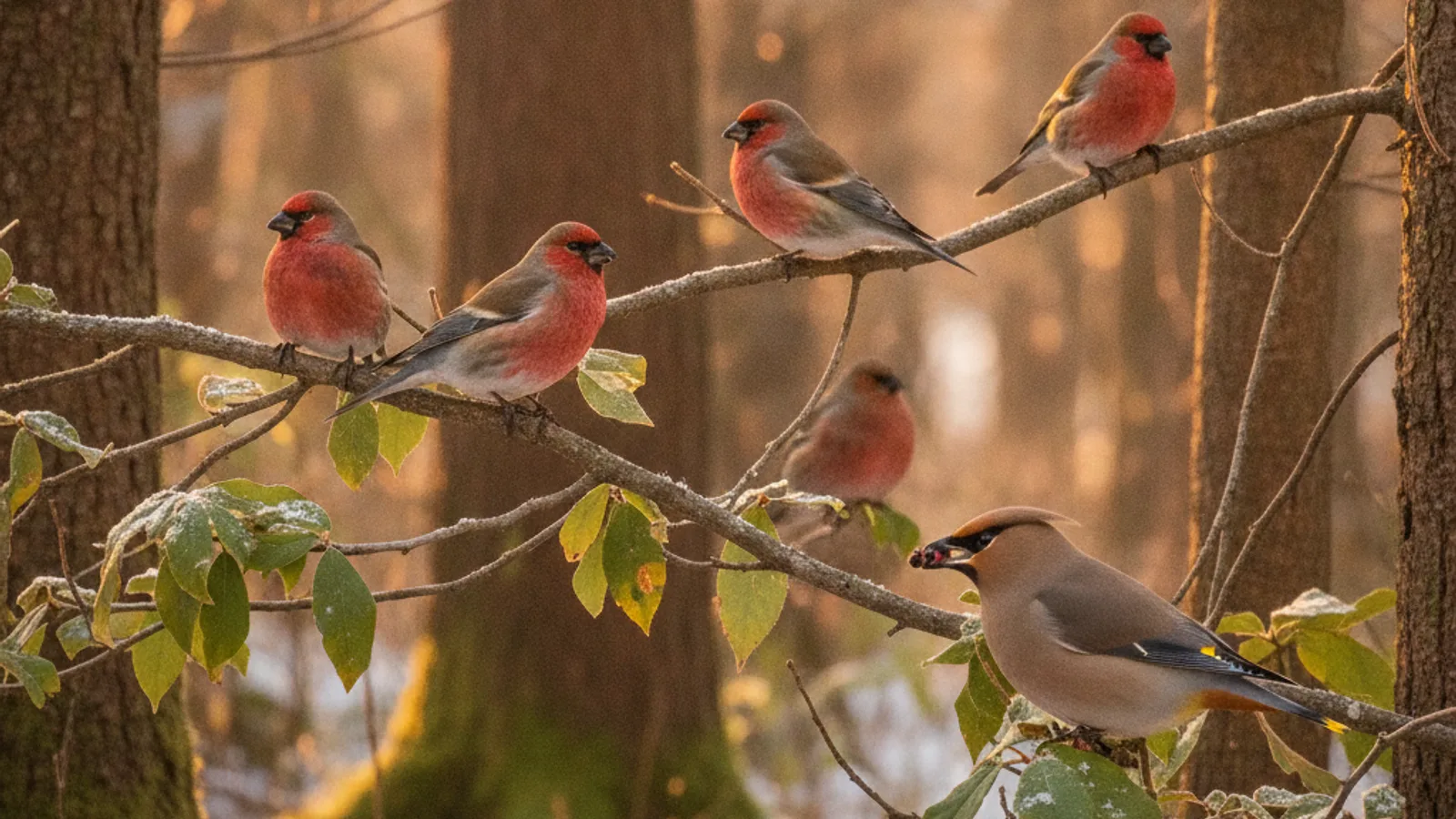
Every few years, something magical happens in winter across North America. Finches, owls, and other northern birds suddenly appear hundreds of miles south of their usual range. These irruptive species turn ordinary backyards into birding hotspots, and understanding why they move can dramatically improve your winter birding.
What Causes Winter Irruptions?
Irruptive birds don't migrate on a fixed schedule like most songbirds. Instead, they move based on food availability in their northern breeding grounds. When seed crops fail in boreal forests and northern regions, these birds are forced south to find enough food to survive the winter.
Years of abundance followed by boom-and-bust cycles mean irruptions are unpredictable. One winter you'll see dozens of Evening Grosbeaks; the next, none at all.
The Most Common Irruptive Species
- Red-breasted Nuthatches, Talkative, acrobatic feeders that visit nyjer and sunflower seed feeders
- Pine Siskins, Tiny finches that arrive in flocks; love nyjer seed
- Evening Grosbeaks, Large, dramatic finches with striking black and yellow markings
- Crossbills, Specialized bill shape lets them extract seeds from conifer cones
- Snowy Owls, Arctic hunters that occasionally move south in search of prey
- Rough-legged Hawks, Northern raptors appearing in open fields and grasslands
How to Attract Irruptive Birds
The key is offering the food sources they're seeking:
- Nyjer (thistle) seed: The #1 feeder for finches, essential for Pine Siskins and American Goldfinches
- Black oil sunflower seed: High-energy food loved by grosbeaks and nuthatches
- Suet cakes: Provide crucial calories during harsh winters
- Natural seed sources: Leave seed-bearing plants (cones, berries) standing through winter
When to Watch For Irruptions
Winter irruptions typically peak from December through February, with occasional birds lingering into March. Check eBird trend maps and local birding forums to see if an irruption is happening in your region. eBird's bar charts show historical patterns for your area, helping you set realistic expectations.
Photographing Irruptive Birds
When unusual birds visit feeders, they're often tame enough for decent photos even with a smartphone. Irruptive birds are stressed and focused on feeding, making them more approachable than usual. Position yourself near feeders (but hidden) and be patient-they'll come.
The Conservation Angle
Irruptive birds struggling to find food in their native range need our help. In addition to keeping feeders clean and stocked, protect boreal forest habitat through conservation organizations that focus on northern ecosystems. Every seed you provide is one less search for stressed, hungry birds.
Final Thoughts
Winter irruptions remind us that the birds visiting our feeders are responding to real-world survival pressures. By understanding what drives these movements, we can better prepare for them, and appreciate the incredible gift of hosting rare Arctic species in our backyards.
Keep your feeders stocked, watch your eBird alerts, and stay ready. The next great irruption might be heading your way right now.