When Do Birds Migrate? A Seasonal Guide
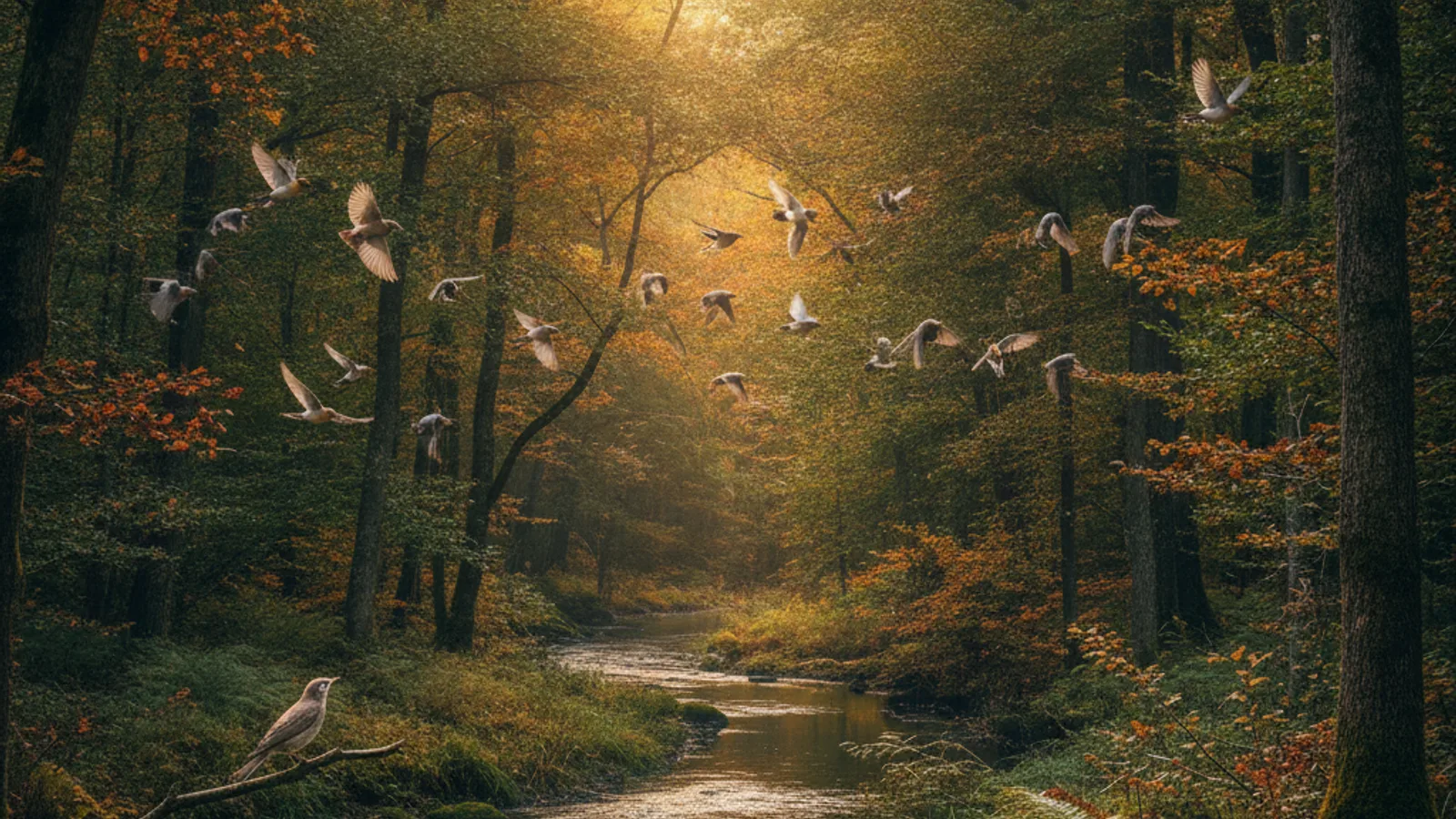
Bird migration is one of nature's greatest spectacles-the coordinated movement of billions of birds across continents driven by instinct refined over millions of years. Understanding when migration happens transforms your birding dramatically. Rather than wondering when warblers arrive or why certain species disappear, you'll anticipate movements, plan trips to catch peak activity, and understand the profound ecological cycles governing bird behavior. Migration timing varies by species and location, but recognizable patterns repeat year after year.
Spring Migration Patterns
Spring migration is the explosive, exciting season when birds return north to breeding grounds. The timing is roughly mid-March through May across most of North America, though specific timing varies significantly by region and species. Early arrivals begin appearing in late February at southern latitudes, but peak diversity and abundance typically concentrates in April and May. The peak passes relatively quickly-two to four weeks of intense activity rather than months.
Early arrivals in mid-to-late March include hardy species like robins, bluebirds, and grackles. These species tolerate variable spring weather and begin breeding before many insects emerge. By mid-April, massive diversity arrives. Warblers, vireos, flycatchers, tanagers, and thrushes pour northward. This "spring rush" represents the best birding of the year for many observers-days with dozens of species, incredible activity, and the shock of tropical brightness in previously quiet woodlands.
Peak warbler activity typically occurs in the two weeks bracketing late April and early May. The exact timing shifts year to year based on temperature and weather patterns. Cold springs delay migrants, while early warm springs accelerate movements. Cloud cover and wind direction influence daily activity-southbound winds and overcast skies concentrate migrants, creating "fallouts" where birds accumulate in local areas. Checking weather forecasts helps predict peak activity.
Late May brings stragglers-species that breed in the far north wait until June to migrate. These "late warblers" include species like the Blackpoll Warbler, which literally waits until insects are abundant enough to sustain their northward journey. By early June, most spring migrants have passed through most of the continent. Late breeders may continue arriving in northern regions through June, but the exciting spring rush is over by mid-May across most locations.
Fall Migration Dynamics
Fall migration is longer, subtler, and somewhat less exciting than spring migration for many birders, but no less dramatic. Adults begin molting in summer, confusing identifications. Young birds in juvenile plumage further complicate identification. However, fall migration brings different opportunities-shorebirds concentrate in migration, seabirds become more numerous, and sometimes irruptive species appear. Fall migration spans late July through November, far longer than spring.
Early migrants depart in late July and early August. Shorebirds are first-some species begin southbound movement while still in breeding plumage or acquiring breeding plumage. Early seabirds also move south. By mid-August, warblers begin returning, though in reduced numbers and with confusing fall plumage. The early warbler surge is far less dramatic than spring. Steady southbound movement continues through September and into October.
Different species have very different fall timing. Some species (like Scarlet Tanagers) migrate through quickly in late August and early September. Others (like Yellow-rumped Warblers) stretch migration over months, arriving as late as November. This staggered timing reflects complex evolutionary responses to food availability, molt cycles, and breeding requirements. A species departing late uses additional breeding time; one departing early reaches southern wintering grounds with less competition for resources.
October and November bring lingering migrants and occasional lingering summer residents confused about departure timing by warm fall weather. Vagrant and rare sightings spike during fall migration as birds navigate using imperfect navigational tools, sometimes getting disoriented. Nocturnal migration is major but invisible-vast numbers of birds migrate at night. Dawn chorus observations and dawn calls from overhead birds reveal this activity. Coastal locations are excellent for observing nocturnal migrants as birds emerge from overnight flights.
Factors Controlling Migration Timing
Migration timing is controlled by photoperiod (day length) and temperature, with photoperiod being the primary driver. As day length increases in spring, increasing light triggers hormonal cascades preparing birds for migration. Days lengthening activates the hypothalamus, increasing reproductive hormones that build fat reserves and trigger migratory behaviors. This is why migration timing is relatively consistent year to year-photoperiod change is reliable even when weather varies.
Weather influences daily movement patterns even if it doesn't determine overall timing. Warm days and southbound winds trigger migration; cool nights and northbound winds suppress movement. Weather systems concentrating migrants in specific locations create the "fallout" events where observers are rewarded for being in the right place at the right time. Sophisticated birders study weather patterns to predict peak movement days and plan trips accordingly.
Food availability influences timing indirectly. Insects emerging, seeds maturing, and fruit ripening create "resource pulses" influencing where birds stop and feed. Spring birds follow green-up northward as vegetation leafs and insects emerge. Fall migrants time departures to follow declining insect populations southward. Climate change shifting these food availability windows creates challenges-if birds depart south on traditional schedules but insects have already declined, birds arrive at waypoints with insufficient food.
Energy requirements drive migration urgency. Migratory birds must build massive fat reserves-a Ruby-throated Hummingbird cannot survive without feeding, yet must cross the Gulf of Mexico (600 miles) without landing. A Blackpoll Warbler must fly from Canada to Brazil, building 88% of its body weight in fat. The energy requirements of migration explain the incredible efficiency and urgency birds display-there is no room for delay or inefficiency.
Regional and Species Variation
Migration timing varies significantly across North America. Western species often have different timing from eastern species. Mountain birds migrate earlier and differently than lowland birds. Desert-breeding species have completely different cycles from temperate zone species. Tropical wintering destinations influence timing-birds wintering in Mexico return earlier than birds wintering in Central America or South America. Understanding your region's specific migration patterns requires local research and observation.
Age and sex differences complicate timing. Adult males often depart before females and young, sometimes by weeks. This "protandry" (males first) ensures males arrive early to claim territories. However, some species reverse this pattern. Young birds often migrate later than adults. Molt cycles differ by age-young birds molt differently than adults, sometimes triggering different migration timing. Careful observation reveals these patterns in backyard feeders and local birding spots.
Some species are short-distance migrants-moving only from northern breeding areas to southern portions of their range. Others are long-distance migrants-breeding in North America but wintering in Central or South America. A few undertake extreme migrations-Arctic Terns migrate pole to pole, experiencing constant daylight and maximizing food availability. Understanding your focal species' migration requirements helps predict when and where you'll encounter them.
Climate change is shifting migration timing. Warming temperatures advance spring migration by days to weeks. Breeding grounds warming faster than wintering grounds creates phenological mismatches-birds arriving at breeding grounds before food resources are abundant. Documenting these shifts through careful record-keeping contributes to citizen science efforts studying climate change impacts. Participating in programs like eBird and regional breeding bird surveys provides valuable data on these ecological shifts.