Spring Migration 2026: Your Complete Guide to Bird Watching This Season
What Makes Spring Migration 2026 Special
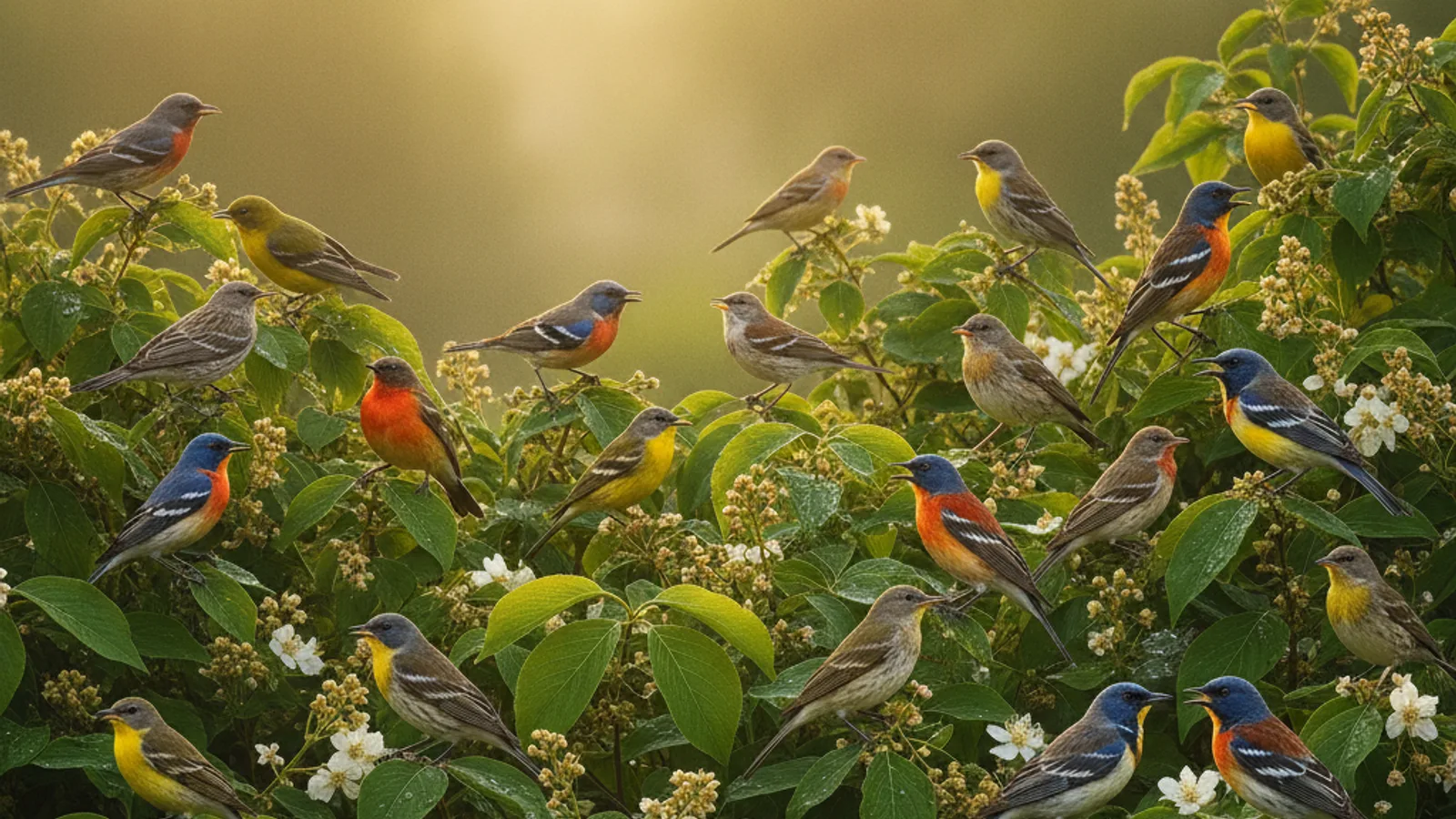
The spring migration 2026 promises to be one of the most spectacular avian events in recent years. As millions of birds begin their northward journey from their wintering grounds, birders across North America are preparing for an extraordinary season of observation and discovery. This year's migration patterns are expected to showcase remarkable diversity, with several factors contributing to what experts predict will be exceptional birding opportunities.
Climate patterns, habitat restoration efforts, and conservation successes have aligned to create optimal conditions for both migrating birds and the enthusiasts who follow their journeys. The spring migration 2026 season will offer unique chances to observe species that have shown remarkable population recoveries, alongside traditional favorites that continue to captivate birders year after year.
Peak Migration Timing and Regional Patterns
Understanding the timing of spring migration 2026 is crucial for maximizing your birding success. The migration typically begins in late February in the southern United States, gradually progressing northward as temperatures rise and daylight hours increase. This year's weather patterns suggest a more concentrated migration window, potentially creating spectacular fallout events.
Early Migration (March - Early April)
The earliest migrants include waterfowl, red-winged blackbirds, and various raptor species. These hardy travelers take advantage of the first warm spells to begin their journeys north. During this period, prime viewing locations include:
- Coastal areas along the Gulf of Mexico
- Major river systems and wetlands
- Traditional hawk watch sites
- Urban parks with open water features
Peak Migration (Mid-April - Mid-May)
The heart of spring migration 2026 occurs during this crucial window when the majority of songbird species make their northward push. Warblers, vireos, thrushes, and flycatchers flood through migration corridors in waves that can create unforgettable birding experiences. Weather fronts play a critical role during this period, with cold fronts followed by clear skies often producing the most productive birding days.
Late Migration (Late May - Early June)
The final wave includes late-migrating flycatchers, some warbler species, and various shorebirds. While numbers may be lower, the quality of sightings often remains high, with many birds displaying full breeding plumage.
Top Species to Watch During Spring Migration 2026
The diversity of species participating in spring migration 2026 offers something for every birder, from beginners seeking common migrants to experts hunting for rare vagrants. This season's standout species include several that have shown remarkable population trends and behavioral adaptations.
Warbler Highlights
Warblers represent the crown jewels of spring migration, and 2026 promises exceptional diversity. Key species to watch include:
- American Redstart - populations have shown steady increases
- Blackburnian Warbler - expected in higher numbers due to favorable breeding conditions
- Cerulean Warbler - conservation efforts may yield increased sightings
- Golden-winged Warbler - critical species requiring careful monitoring
Thrush Migration Spectacle
Thrush migration during spring migration 2026 is anticipated to be particularly noteworthy. Wood Thrushes, Gray-cheeked Thrushes, and Swainson's Thrushes are expected to move through in substantial numbers, often providing excellent opportunities for both visual and audio identification as they call during dawn and dusk periods.
Raptor Movement
Spring hawk migration offers dramatic viewing opportunities, with Broad-winged Hawks expected to create spectacular kettles during peak movement days. Cooper's Hawks, Sharp-shinned Hawks, and various falcon species will provide consistent sightings throughout the migration period.
Prime Birding Locations for Spring Migration 2026
Success during spring migration 2026 often depends on being in the right place at the right time. Traditional hotspots continue to deliver exceptional birding, while emerging locations offer new opportunities for discovery.
Great Lakes Region
The Great Lakes serve as major migration corridors, funneling birds along shorelines and through strategic peninsulas. Point Pelee in Ontario, Magee Marsh in Ohio, and various Lake Superior locations consistently produce remarkable birding during peak migration periods.
Gulf Coast Corridor
The Gulf Coast represents a critical bottleneck for trans-Gulf migrants, creating concentration points that can yield incredible diversity in small areas. High Island in Texas, Grand Isle in Louisiana, and Dauphin Island in Alabama rank among the premier destinations for spring migration 2026 birding.
Rio Grande Valley
South Texas offers unique opportunities to observe both traditional North American migrants and Mexican species at the northern edge of their ranges. The combination creates exceptional diversity that attracts birders from around the world.
Technology and Tools for Spring Migration 2026
Modern birding benefits tremendously from technological advances that enhance both identification capabilities and migration tracking. The spring migration 2026 season coincides with several important updates to popular birding apps and new radar technologies that provide unprecedented insight into migration movements.
eBird continues to serve as the backbone of citizen science efforts, with real-time migration tracking helping birders target the most productive locations. Migration radar tools now offer more precise predictions, while improved weather forecasting helps identify optimal birding windows.
Essential Apps and Resources
Successful birding during spring migration 2026 requires the right digital tools:
- Updated field guide apps with seasonal range maps
- Real-time weather radar for tracking migration movements
- Social media platforms for immediate sighting reports
- Photography apps for documenting rare species
Conservation Implications of Spring Migration 2026
The spring migration 2026 season offers important opportunities to assess conservation successes and identify ongoing challenges. Several species show positive population trends that reflect successful habitat restoration and protection efforts, while others continue to face significant pressures that require sustained conservation attention.
Citizen science contributions during migration periods provide critical data that inform conservation strategies and help identify priority areas for protection. Every birder participating in migration monitoring contributes valuable information that supports long-term conservation goals.
Climate Change Impacts
Spring migration timing continues to shift in response to changing climate patterns, with some species arriving earlier while others maintain traditional schedules. These timing mismatches can create challenges for birds trying to synchronize arrival with peak food availability, making careful observation and documentation increasingly important.
Photography and Documentation Tips
Capturing the magic of spring migration 2026 through photography requires preparation, patience, and respect for the birds' welfare. Migration periods offer unique opportunities for behavioral photography as birds engage in feeding, preening, and social interactions during stopover periods.
Early morning hours typically provide the best lighting and bird activity, while understanding bird behavior helps predict optimal positioning for photography opportunities. Ethical considerations remain paramount, with bird welfare taking precedence over photographic objectives.
Planning Your Spring Migration 2026 Adventures
Successful migration birding requires careful planning that considers timing, location, weather patterns, and personal logistics. The most rewarding experiences often result from combining preparation with flexibility to adapt to changing conditions and unexpected opportunities.
Building a migration birding strategy involves identifying target species, researching optimal locations, monitoring weather patterns, and maintaining connections with local birding communities who provide real-time updates on bird movements and rarities.
Accommodation and Travel Planning
Popular migration destinations fill quickly during peak periods, making advance reservations essential for securing accommodations near prime birding locations. Many birders plan multiple shorter trips rather than single extended visits to maximize their chances of hitting peak migration windows.
Conclusion: Making the Most of Spring Migration 2026
The upcoming spring migration 2026 represents an exceptional opportunity for birders to witness one of nature's most spectacular phenomena. Whether you're a seasoned expert or beginning birder, this migration season promises memorable experiences and valuable contributions to our understanding of bird populations and movements.
Success during spring migration comes from combining preparation with adaptability, utilizing modern tools while respecting traditional observation skills, and maintaining focus on conservation while enjoying the incredible diversity of migrating species. The birds are preparing for their journeys-now it's time for birders to prepare for theirs.
Frequently Asked Questions
When does spring migration 2026 peak in North America?
Spring migration 2026 peaks between mid-April and mid-May across most of North America, with timing varying by latitude. Southern regions see peak activity in early to mid-April, while northern areas experience peak migration in early to mid-May. Weather patterns can shift these windows by several days to a week.
What are the best locations for observing spring migration 2026?
Top spring migration 2026 locations include the Great Lakes region (Point Pelee, Magee Marsh), Gulf Coast areas (High Island Texas, Dauphin Island Alabama), and the Rio Grande Valley in South Texas. These locations serve as natural funnels that concentrate migrating birds, creating exceptional viewing opportunities.
Which bird species should I prioritize during spring migration 2026?
Priority species for spring migration 2026 include various warbler species (American Redstart, Blackburnian Warbler, Cerulean Warbler), thrushes (Wood Thrush, Swainson's Thrush), and raptors (Broad-winged Hawk, Cooper's Hawk). Focus on species that show peak activity during your planned birding dates and location.