Rondonia Antwarbler IUCN Red List Status: Understanding This Critically Endangered Amazonian Bird
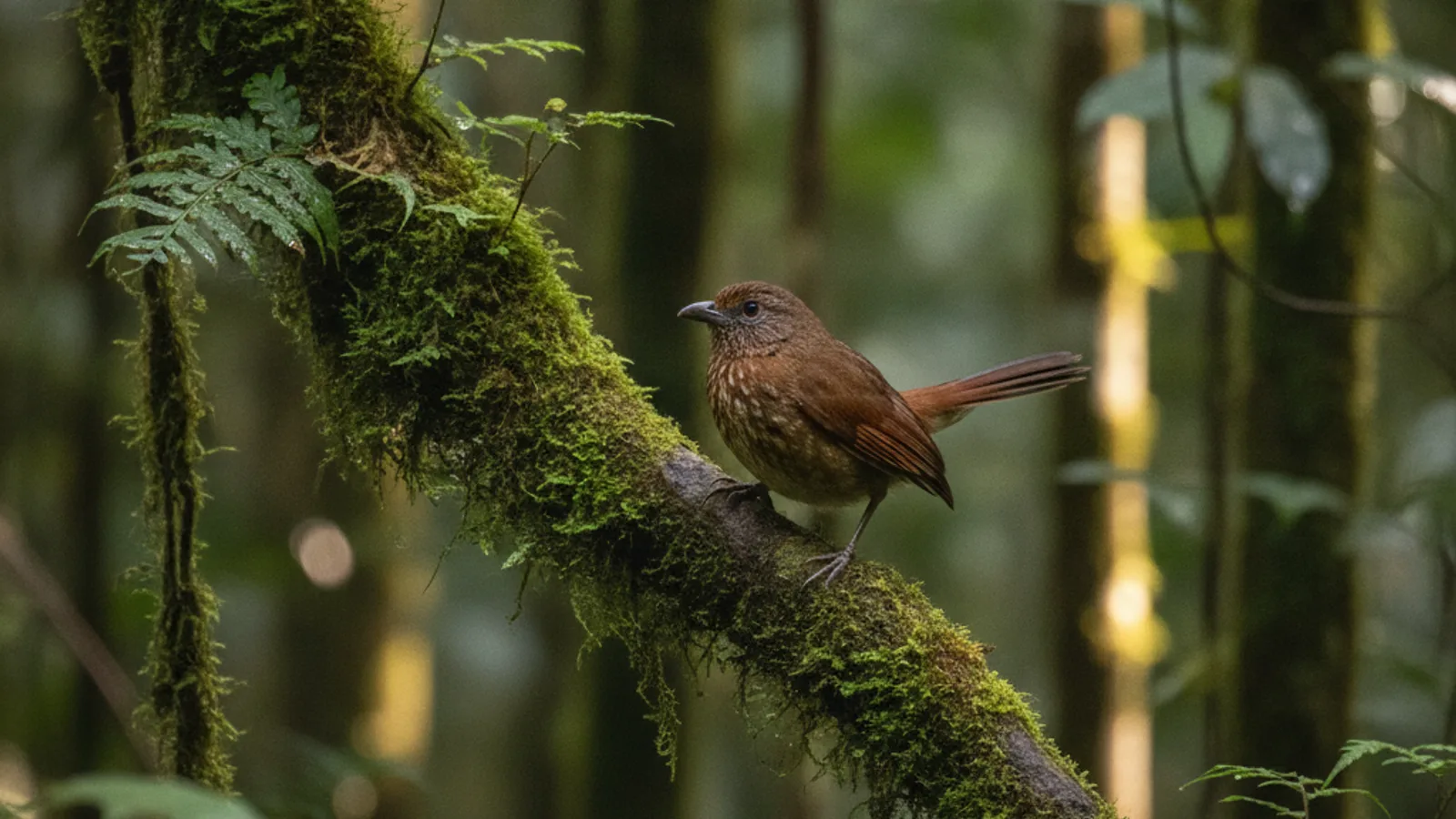
The Rondonia Antwarbler: A Critically Endangered Amazonian Gem
The Rondonia Antwarbler (Terenura quadrivittata) stands as one of South America's most endangered bird species, earning its place on the IUCN Red List as Critically Endangered. This small passerine bird, endemic to the Brazilian Amazon, represents a tragic example of how rapid deforestation and habitat destruction can push species to the brink of extinction within just a few decades.
First described in 1985, the Rondonia Antwarbler was discovered in the state of Rondônia, Brazil, which lends its name to this remarkable yet vulnerable species. The bird's placement on the Rondonia Antwarbler IUCN Red List reflects the urgent conservation concerns surrounding this species, making it a priority for researchers, conservationists, and birdwatchers worldwide.
IUCN Red List Classification and Current Status
The International Union for Conservation of Nature (IUCN) has classified the Rondonia Antwarbler as Critically Endangered since 2004, representing the highest risk category before extinction. This classification on the Rondonia Antwarbler IUCN Red List entry is based on several critical factors that indicate the species faces an extremely high risk of extinction in the wild.
Key IUCN Red List Criteria
The Rondonia Antwarbler meets the IUCN Red List criteria for Critically Endangered status through multiple pathways:
- Extremely small population size: Fewer than 50 mature individuals are estimated to remain in the wild
- Severely fragmented habitat: The species' range has been reduced to tiny, isolated forest fragments
- Continuing decline: Population numbers continue to decrease due to ongoing habitat loss
- Limited range: The species is known from only a handful of locations in Rondônia state
The IUCN Red List assessment indicates that without immediate and effective conservation intervention, the Rondonia Antwarbler could become extinct within the next decade, making it one of the most urgently threatened bird species in the Neotropics.
Physical Characteristics and Identification
Understanding the Rondonia Antwarbler's physical appearance is crucial for field identification and conservation monitoring efforts. This small antbird measures approximately 10-11 centimeters in length and weighs around 8-10 grams, making it one of the smaller members of the antwarbler family.
Distinctive Features
The Rondonia Antwarbler displays several distinctive characteristics that help differentiate it from related species:
- Plumage: Males exhibit a striking black cap and white supercilium, with olive-green upperparts and yellowish underparts
- Wing markings: Two prominent white wing bars are visible on the dark wings
- Tail: The tail is relatively short and dark with white outer tail feathers
- Bill: A thin, pointed bill typical of insectivorous species
- Sexual dimorphism: Females are generally duller than males, with brownish caps instead of black
These identification features are particularly important for researchers conducting surveys to assess the species' current population status and monitor changes over time, contributing valuable data to the ongoing Rondonia Antwarbler IUCN Red List assessments.
Habitat Requirements and Distribution
The Rondonia Antwarbler's highly specific habitat requirements have made it particularly vulnerable to the rapid environmental changes occurring in the Amazon basin. Originally, this species inhabited the understory and mid-story levels of primary terra firme rainforest in the southeastern Amazon.
Historical Range
When first discovered, the Rondonia Antwarbler was found in several locations throughout Rondônia state, Brazil. Historical records suggest the species once occupied a larger continuous range of approximately 20,000 square kilometers of pristine Amazon rainforest. However, the current situation reflected in the Rondonia Antwarbler IUCN Red List status shows a dramatically reduced distribution.
Current Habitat Remnants
Today, the species is confirmed to exist in only three known locations:
- Fazenda São Francisco: A small private reserve containing one of the last viable populations
- Reserva Particular do Patrimônio Natural Tracoá: A private nature reserve established specifically for antwarbler conservation
- Floresta Nacional do Jamari: A federal forest reserve where the species may still persist in very low numbers
The total remaining habitat suitable for the Rondonia Antwarbler is estimated at less than 100 square kilometers, representing a habitat loss of over 95% since the species was first described. This dramatic reduction directly contributed to the species' current IUCN Red List classification.
Threats to Survival
The primary threats facing the Rondonia Antwarbler are interconnected and largely anthropogenic, reflecting broader conservation challenges throughout the Amazon basin. Understanding these threats is essential for developing effective conservation strategies and preventing the species' extinction.
Deforestation and Habitat Loss
The most significant threat to the Rondonia Antwarbler is the continuing loss of primary forest habitat. Rondônia state has experienced some of the highest deforestation rates in the Brazilian Amazon, with over 60% of the original forest cover cleared for:
- Cattle ranching: Large-scale conversion of forest to pasture land
- Soy cultivation: Industrial agriculture replacing natural ecosystems
- Logging: Both legal and illegal timber extraction
- Infrastructure development: Roads, settlements, and industrial facilities
Habitat Fragmentation
Even where forest remnants persist, fragmentation poses a severe threat to the Rondonia Antwarbler population. Small, isolated forest patches cannot support viable populations of this specialized species, leading to:
- Reduced genetic diversity
- Increased vulnerability to local extinctions
- Limited dispersal and colonization opportunities
- Edge effects that degrade habitat quality
Climate Change
Emerging research suggests that climate change may pose additional challenges for the Rondonia Antwarbler, potentially altering:
- Temperature and precipitation patterns in remaining habitats
- Insect prey availability and distribution
- Forest structure and composition
- Extreme weather event frequency and intensity
These compounding threats explain why the Rondonia Antwarbler IUCN Red List status remains at the highest risk level, despite ongoing conservation efforts.
Conservation Efforts and Initiatives
Recognition of the Rondonia Antwarbler's critical status on the IUCN Red List has sparked various conservation initiatives aimed at preventing the species' extinction. These efforts involve collaboration between international conservation organizations, Brazilian government agencies, academic institutions, and local communities.
Protected Area Establishment
Several conservation areas have been established or expanded specifically to protect Rondonia Antwarbler habitat:
- Private reserves: Landowners have created private protected areas with support from conservation organizations
- Government protection: Existing federal reserves have been prioritized for enhanced protection and monitoring
- Corridor creation: Efforts to connect isolated forest fragments through reforestation corridors
Research and Monitoring
Intensive research programs are underway to better understand the species' ecology and population status:
- Annual population surveys to track remaining individuals
- Habitat quality assessments and restoration planning
- Ecological studies of prey species and foraging behavior
- Genetic analysis to assess population viability
Captive Breeding Considerations
Given the species' critically low population numbers reflected in the Rondonia Antwarbler IUCN Red List assessment, conservationists are evaluating the potential for captive breeding programs as a last resort conservation measure. However, the species' specialized habitat requirements and limited knowledge of its breeding biology present significant challenges.
The Role of Citizen Science and Birdwatching
Despite its critically endangered status, the Rondonia Antwarbler represents an important flagship species for Amazon conservation. Birdwatchers and citizen scientists can contribute to conservation efforts in several ways:
Reporting Sightings
Any confirmed sightings of the Rondonia Antwarbler should be immediately reported to:
- eBird database with detailed location and photographic evidence
- Brazilian ornithological organizations
- IUCN Red List assessment coordinators
- Local conservation groups in Rondônia
Supporting Conservation Organizations
Financial support for organizations working on Rondonia Antwarbler conservation helps fund:
- Habitat protection and restoration projects
- Research and monitoring programs
- Community education and engagement initiatives
- Policy advocacy for stronger environmental protections
Future Outlook and Recovery Potential
The future of the Rondonia Antwarbler remains uncertain, with the species' fate largely dependent on immediate and sustained conservation action. While the Rondonia Antwarbler IUCN Red List status reflects the severity of the current situation, there remains hope for recovery if adequate resources are mobilized.
Recovery Scenarios
Potential pathways to recovery include:
- Habitat restoration: Large-scale reforestation connecting existing forest fragments
- Enhanced protection: Strict enforcement of protected area boundaries
- Community engagement: Working with local communities to develop sustainable land-use practices
- Policy reform: Stronger environmental regulations and enforcement
Success will require unprecedented cooperation between government agencies, conservation organizations, academic institutions, and local communities. The window for action is rapidly closing, but the Rondonia Antwarbler's survival may still be possible with immediate, coordinated conservation intervention.
Conclusion: A Call for Urgent Action
The Rondonia Antwarbler IUCN Red List designation as Critically Endangered serves as both a warning and a call to action. This remarkable bird species, endemic to one of the world's most biodiverse regions, faces imminent extinction without immediate conservation intervention. The dramatic habitat loss that has occurred in Rondônia state over the past few decades illustrates the broader challenges facing Amazon biodiversity.
While the situation is dire, the Rondonia Antwarbler's plight has also demonstrated the power of focused conservation action. The establishment of private reserves, intensive research efforts, and growing international attention provide hope that this species can be saved from extinction. However, time is running out, and the next few years will be critical in determining whether future generations will have the opportunity to observe this unique Amazonian bird in the wild.
The story of the Rondonia Antwarbler serves as a powerful reminder of our responsibility to protect Earth's biodiversity. Every species lost represents an irreversible reduction in the planet's natural heritage, and the IUCN Red List serves as our early warning system for preventing such losses. By supporting conservation efforts, engaging in citizen science, and advocating for stronger environmental protections, we can all play a role in ensuring that species like the Rondonia Antwarbler continue to thrive in their natural habitats.
Frequently Asked Questions
Why is the Rondonia Antwarbler listed as Critically Endangered on the IUCN Red List?
The Rondonia Antwarbler is classified as Critically Endangered on the IUCN Red List due to its extremely small population size (fewer than 50 mature individuals), severely fragmented habitat with over 95% habitat loss, continuing population decline, and limited range restricted to only three known locations in Rondônia, Brazil. These factors combine to indicate an extremely high risk of extinction in the wild.
Where can the Rondonia Antwarbler currently be found?
The Rondonia Antwarbler is currently known to exist in only three locations in Rondônia state, Brazil: Fazenda São Francisco (a private reserve), Reserva Particular do Patrimônio Natural Tracoá (a private nature reserve), and possibly in very low numbers at Floresta Nacional do Jamari (a federal forest reserve). The total remaining suitable habitat is estimated at less than 100 square kilometers.
What are the main threats causing the Rondonia Antwarbler's population decline?
The primary threats to the Rondonia Antwarbler include massive deforestation for cattle ranching and soy cultivation, habitat fragmentation that isolates small populations, logging activities, infrastructure development, and potentially climate change effects. Rondônia state has lost over 60% of its original forest cover, directly destroying the primary rainforest habitat this species requires for survival.