Winter Bird Photography: Capturing the Beauty of Cold-Weather Birding
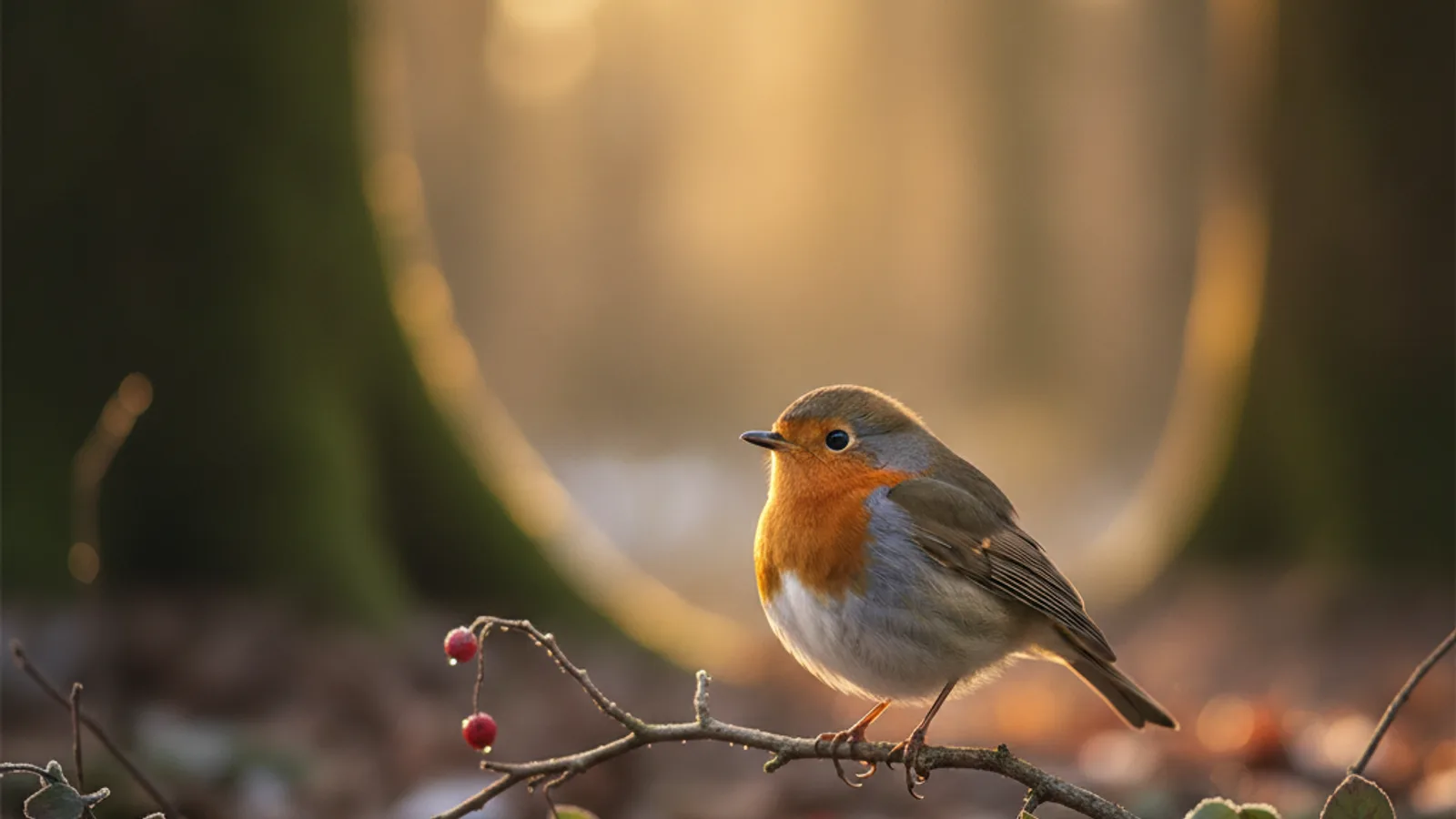
Winter offers some of the most dramatic and beautiful bird photography opportunities of the year. From frost-covered plumage to stark snow-and-ice landscapes, the cold season rewards photographers who brave the elements. Here's how to master winter bird photography and come home with stunning images.
The Winter Photography Advantage
Winter is often overlooked by photographers, but it actually offers unique advantages:
- Clear, crisp light: Less atmospheric moisture means sharper, more contrasty images
- Predictable bird behavior: Birds congregate at feeders and water sources, making them easier to locate and photograph
- Dramatic backgrounds: Snow and ice create stunning natural backdrops
- Interesting plumage: Fluffed feathers and frost-covered birds look otherworldly
Camera Settings for Winter Conditions
- Expose for the highlights: Snow is bright and will fool your camera's meter. Use exposure compensation (-1 to -2 stops) or set exposure manually to preserve detail in white plumage and snow
- Increase ISO: Winter light is often dim. ISO 800-1600 is normal; don't be afraid to go higher on modern cameras
- Faster shutter speeds: Aim for at least 1/1000s with telephoto lenses to freeze motion. Fluffy winter birds move unpredictably
- Aperture priority (f/5.6-f/8): This balances shutter speed with enough depth of field to keep the entire bird sharp
Protecting Gear in Cold and Damp
Batteries drain faster in cold. Carry spares and keep them warm in an inside pocket. Switch batteries before they die completely.
Avoid rapid temperature changes. Never bring cold gear directly into a warm car or house-condensation will form on lenses and sensors. Let equipment warm up slowly, or cover it with a thick bag during the transition.
Protect lenses from snow and ice. Use lens hoods and UV filters (the filter is cheap; the lens is not). Wipe lenses gently with a soft cloth, never with your gloved hand.
Composition Tips for Winter
Use negative space. Winter landscapes are naturally minimalist. A small bird against a vast snowy background can be stunning. Don't always fill the frame.
Embrace the blue hour. Early morning and late afternoon light has a cool blue cast in winter that looks fantastic. Dawn and dusk are your best bets for dramatic skies.
Backlight for drama. Position yourself so the sun is behind or to the side of the bird. This illuminates feathers and creates a magical glow-especially with snow in the background.
Finding Winter Birds to Photograph
Bird feeders are your secret weapon. Set up a feeder near a clean background (snow, trees, sky-not your house). Position yourself with the sun behind you or at a 45-degree angle. Arrive early in the morning when birds are most active and hungry.
Open water (ponds, streams, heated birdbaths) attracts thirsty birds in winter. These spots are goldmines for photography because birds have limited options.
Advanced Technique: Capturing Flight
Winter birds often fly between feeders and branches. If your camera has AI-Servo autofocus (Canon) or continuous autofocus (Nikon), you can track birds in flight.
Set continuous autofocus, burst mode, and fast shutter speed (1/1600s+). Position yourself with the sun to one side. Let the bird enter and exit the frame naturally-you'll get plenty of shots to choose from.
Storage and Backup
Cold drains phone and camera batteries. Keep memory cards in an inside pocket to prevent condensation. Back up your images to cloud storage or a laptop daily-winter conditions are unpredictable, and you don't want to lose a day's work.
Final Thoughts
Winter bird photography demands patience and preparation, but the rewards are worth it. Bundle up, protect your gear, arrive early, and let the season's natural beauty guide your composition. Some of your best bird photos will come from the coldest days of the year.