Best Birding Spots Near You: A Local Guide
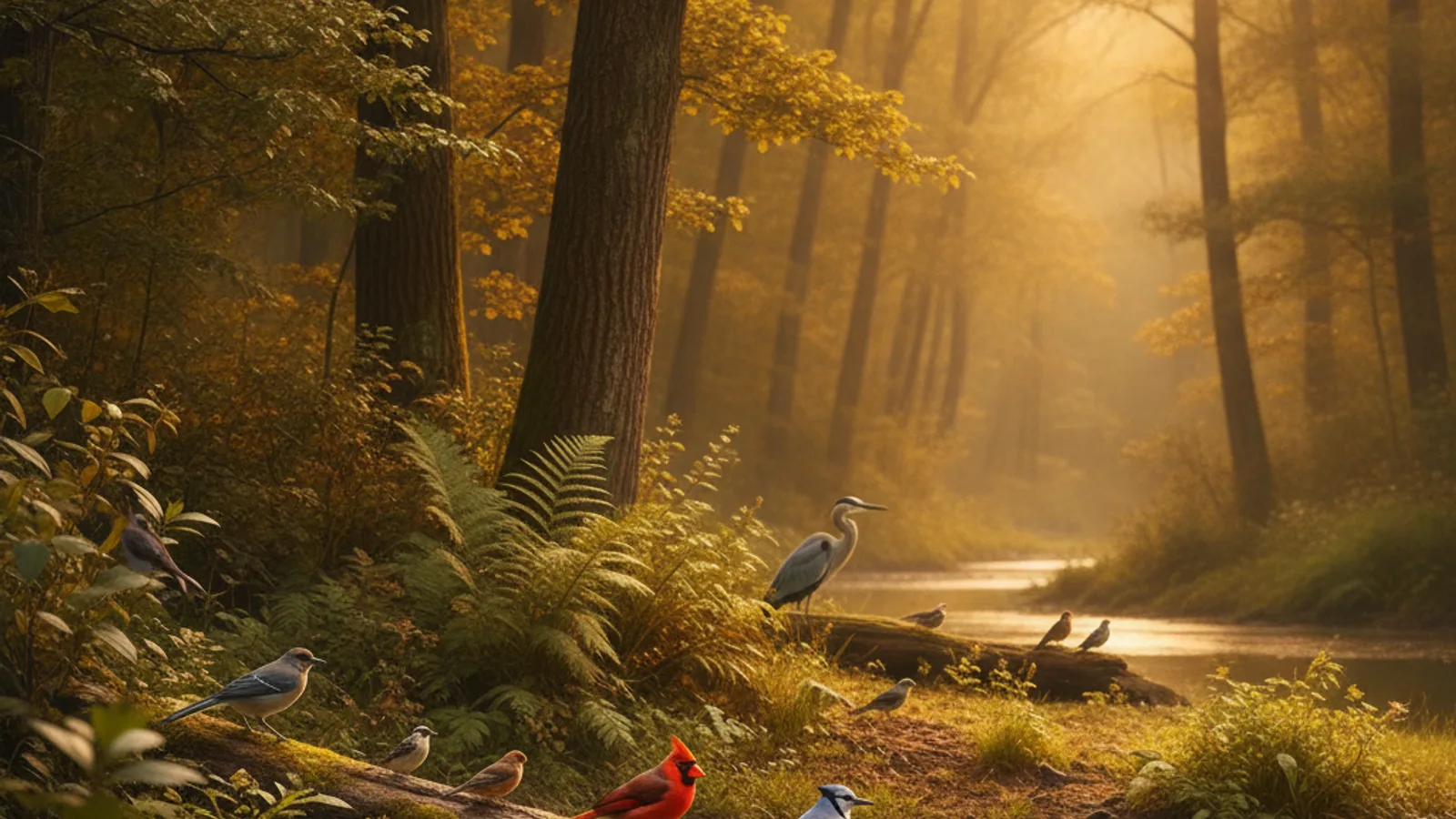
Great birding doesn't require traveling to exotic destinations. Some of the most rewarding birdwatching can happen in your local area-at neighborhood parks, nature reserves, and wetlands within driving distance. Whether you're looking for warblers, waterfowl, or raptors, we'll show you how to identify the birding hotspots in your region and what species to expect year-round.
Finding Your Local Hotspots
The best birding spot is the one you'll actually visit regularly. Proximity matters more than rarity-frequent visits to a single location will teach you far more than occasional trips to distant sites. Start by identifying green spaces within 15 minutes of your home: city parks, county preserves, golf courses, cemeteries, and water access points are all excellent birding locations.
Pay special attention to habitat diversity. A good birding spot typically has multiple environments: open fields, shrubby areas, deciduous and evergreen trees, and ideally some water feature. Wetlands, in particular, are incredibly productive. Even a small marsh or pond can host dozens of species across the year. Creeks and streams attract species you won't find in upland habitats.
Time of day matters significantly. Early morning (dawn to two hours after sunrise) is prime time for most birds. Activity drops dramatically in midday heat and picks up slightly in late afternoon. Overcast days are often better than sunny ones-birds move more actively in diffuse light, and viewing conditions are better.
Seasonal shifts are dramatic. The same park can feel completely different in spring migration versus summer versus winter. Spring (April-May in most regions) brings an explosion of activity as warblers and other migrants pass through. Fall migration (August-September) is equally productive but with different species. Winter offers opportunities to study resident birds in simpler plumage and find northern visitors.
Wetlands and Water Edges
If your region has wetlands-marshes, swamps, ponds, or slow-moving rivers-these are your most productive birding destinations. Wetlands concentrate birds like no other habitat. They provide food, water, shelter, and nesting sites, making them attractive to dozens of species including waders, waterfowl, raptors, and songbirds.
When birding wetlands, walk slowly along edges and pause frequently. Listen more than you look-many wetland birds are heard before they're seen. Early morning is especially productive as birds emerge to feed. Binoculars are essential as many species stay at a distance or in dense vegetation. A spotting scope becomes valuable at larger wetlands where ducks and geese congregate.
Expect seasonal variation. Spring and fall bring migrant shorebirds and waders. Summer offers nesting warblers and herons in breeding plumage. Winter can be surprisingly productive-northern diving ducks, geese, and raptors congregate at open water. Bring a field guide specific to waterfowl and waders; they can be tricky to identify, but learning them opens up an entire dimension of birding.
Safety matters at wetlands. Wear appropriate footwear, watch your step on uneven terrain, and be aware of water levels and weather. Many wetlands are mosquito-rich in summer, so bring repellent, and keep DEET away from your optics: it attacks painted and varnished surfaces and can damage binocular armor and eyecups. A stationary area repeller such as the Thermacell E-ZoneGuard keeps it off your hands entirely, and 20% picaridin is the safer topical choice around glass. Respect private property and closure signs. Many wetland areas require permits or have seasonal restrictions to protect nesting birds.
Woodland Trails and Forest Edges
Forest birding is different from open-area birding and requires adjusted techniques. Most forest birds stay high in the canopy or in dense vegetation. Use sound to guide you-learning chip notes and songs is essential since you won't see many birds clearly. Pish (make soft "pssh pssh" sounds) to encourage curious birds to come closer. Expect smaller numbers of individuals but greater species diversity.
Deciduous and mixed forests are most productive during breeding season (late May through June) when males are singing from territories. Migration periods bring additional species. Coniferous forests can seem quiet but often harbor crossbills, nuthatches, and chickadees. Dead trees (snags) are productive-watch them for woodpeckers and cavity nesters.
The edges where forest meets open habitat are especially productive. "Edge effect" concentrates birds and provides good visibility. Stream valleys through forests are reliable routes for warblers and other migrants. Clearings and meadows surrounded by forest often accumulate concentrations of birds during migration.
Look for disturbance features: recent logging areas, downed trees, and areas with regenerating vegetation attract species adapted to early-successional habitat. In spring, flooded areas within forests become temporary shallow ponds that attract shorebirds and other transient species. Veterans of forest birding emphasize patience-productive forest birding requires stillness and careful listening.
Parks and Urban Greenspace
Don't overlook city parks and suburban green spaces. Urban areas concentrate birds around specific resources: ornamental plantings, feeders, water features, and nest boxes. You may see fewer total birds than in rural habitat, but the environment is often easier to bird and accessibility is superior. Parks also provide the opportunity to watch bird behavior up close without disturbing them as much.
Urban parks often host surprising species diversity. Resident songbirds, migrants during spring and fall, waterbirds at ponds, and occasionally raptors create a dynamic community. Cemeteries are consistently underrated as birding locations-their mature trees, open areas, and minimal disturbance attract numerous species. Golf courses can also be productive, especially early morning before play begins.
Urban birding teaches observation skills quickly. High bird density and habituation to humans mean you can study plumage and behavior carefully. This is an excellent place to learn the "default" versions of common species before tackling regional rarities and vagrants. Urban parks offer year-round opportunity regardless of weather or season.
Parking is usually accessible, restrooms are typically available, and physical demands are minimal. Parks are excellent for introducing non-birders to the hobby. Children especially benefit from the accessibility and immediate birding success urban parks offer. Consider adopting a single park and visiting weekly-you'll be amazed at what shows up across the seasons.
Planning Birding Trips
Before visiting a new location, do some research. Check eBird for recent sightings and what species have been reported. Read reviews and trip reports. Consult maps to understand access points and parking. Some exceptional birding locations require permission to enter or have restricted access periods.
Bring essentials: binoculars, a field guide appropriate to your region, a notebook for recording sightings, and water. Wear neutral colors (earth tones, not bright colors or white) and move slowly and quietly. A telephoto camera can enhance the experience without interfering with casual birding. A recording app or portable speaker for playing bird calls can attract curious birds (use sparingly and ethically).
Connect with local birders. Most regions have birding clubs and informal groups that organize walks and share sightings. These connections provide instant local knowledge, reduce the learning curve, and enhance enjoyment through shared discovery. Online groups and eBird networks connect birders across regions, providing real-time information about rare sightings and unusual activity.
Keep records of your sightings. Whether casual notes or detailed eBird submissions, documentation helps you track patterns, improve identification skills, and contribute to citizen science efforts. Over time, your personal birding records become valuable data showing migration patterns and population trends in your area.