Best Bird Identification Apps 2026: Top Digital Tools for Birders
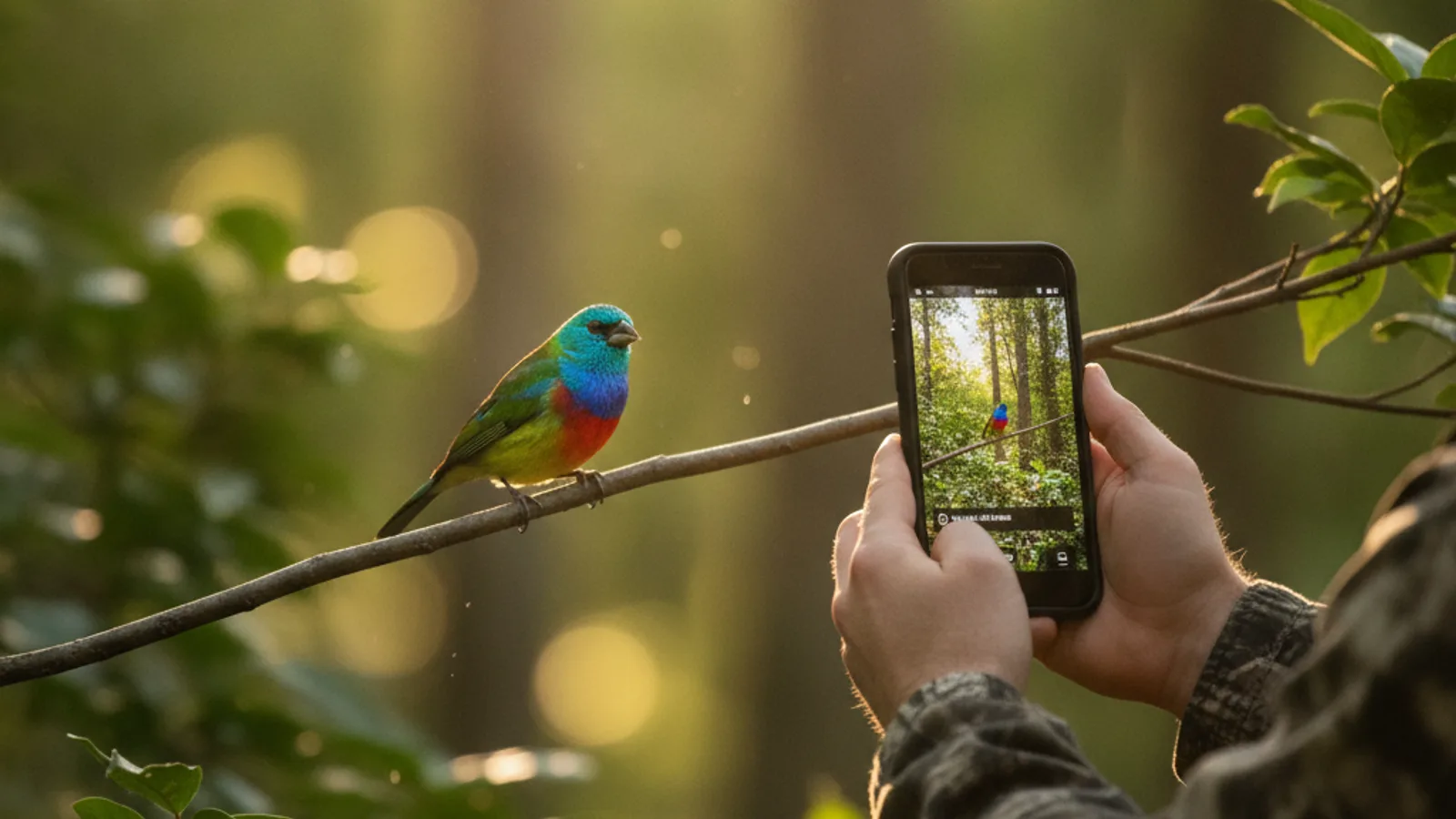
Introduction to Bird Identification Apps in 2026
Bird identification has revolutionized dramatically over the past few years, and 2026 brings us the most sophisticated and accurate best bird identification apps 2026 has ever seen. Whether you're a seasoned ornithologist or a curious beginner stepping into the world of birding, these digital tools have transformed how we identify, learn about, and connect with our feathered friends.
Modern bird identification apps leverage cutting-edge artificial intelligence, machine learning algorithms, and vast databases of bird sounds, images, and behavioral patterns. This technological advancement means that identifying a mysterious bird in your backyard or during a hiking expedition is now just a few taps away on your smartphone.
Why Use Bird Identification Apps?
The advantages of using digital bird identification tools extend far beyond simple convenience. These apps provide instant access to comprehensive databases containing thousands of species, complete with high-quality images, detailed descriptions, range maps, and audio recordings of bird calls and songs.
Traditional field guides, while still valuable, can be bulky and limited in scope. Modern apps offer dynamic, searchable content that's constantly updated with new discoveries and refined information. Many apps also include social features, allowing users to share sightings, participate in citizen science projects, and connect with local birding communities.
Top Bird Identification Apps for 2026
1. Merlin Bird ID - The Cornell Lab Standard
Cornell Lab of Ornithology's Merlin Bird ID continues to set the gold standard among the best bird identification apps 2026 offers. This free app has received significant updates this year, including enhanced AI-powered photo identification and expanded global coverage.
Key Features:
- Photo ID with 99.1% accuracy rate for North American species
- Sound ID that can identify multiple species simultaneously
- Comprehensive range maps with seasonal migration patterns
- Offline functionality for remote birding locations
- Integration with eBird for seamless record keeping
Merlin's 2026 update introduces real-time migration tracking and predictive algorithms that suggest likely species based on your location, date, and recent sightings in your area. The app now covers over 10,000 species globally, making it invaluable for international birding adventures.
2. Seek by iNaturalist - AI-Powered Recognition
Seek has made tremendous strides in 2026, particularly in its computer vision technology. This app excels at real-time identification through your phone's camera, making it perfect for quick identifications in the field.
Key Features:
- Instant camera-based identification
- Gamification elements with achievement badges
- Kid-friendly interface perfect for young naturalists
- Broader nature identification beyond just birds
- Privacy-focused design with no account required
The 2026 version includes improved accuracy for birds in flight and better performance in challenging lighting conditions. Seek's integration with the broader iNaturalist community provides access to expert verification for uncertain identifications.
3. BirdNET - Advanced Audio Analysis
BirdNET represents the pinnacle of audio-based bird identification technology in 2026. Developed by researchers at Cornell Lab and Chemnitz University of Technology, this app specializes in identifying birds through their vocalizations.
Key Features:
- Real-time audio analysis and identification
- Continuous monitoring mode for backyard birding
- Detailed spectrograms for educational purposes
- Contributes to scientific research automatically
- Works with recorded audio files
BirdNET's 2026 update includes enhanced noise filtering algorithms, making it incredibly effective even in urban environments with significant background noise. The app can now identify over 6,000 species based on their calls and songs.
4. Audubon Bird Guide - Comprehensive Field Companion
The National Audubon Society's bird guide app combines beautiful photography with extensive natural history information, making it one of the most educational options among the best bird identification apps 2026 selection.
Key Features:
- Stunning high-resolution photographs
- Detailed species accounts and natural history
- Climate change impact information
- Seasonal abundance maps
- Bird-friendly habitat recommendations
This year's update focuses on conservation messaging and habitat preservation, providing users with actionable information about how to help bird populations in their local areas.
5. Picture Bird - Social Birding Experience
Picture Bird has evolved into more than just an identification app, becoming a comprehensive social platform for bird enthusiasts. Its community-driven approach makes it stand out in the 2026 app landscape.
Key Features:
- Advanced photo identification with multiple angle support
- Active community forum and expert consultation
- Personalized birding journals and statistics
- Location-based birding hotspot recommendations
- Premium features for serious enthusiasts
The app's 2026 enhancement includes AI-powered birding trip planning and integration with weather data to optimize birding excursions.
Comparative Analysis: Choosing the Right App
Accuracy and Reliability
When evaluating the best bird identification apps 2026 has to offer, accuracy remains paramount. Merlin Bird ID leads in overall accuracy, particularly for North American species, with its extensive training data from millions of eBird submissions. BirdNET excels specifically in audio identification, while Seek provides excellent real-time visual recognition.
User Experience and Interface Design
Modern bird identification apps have prioritized intuitive design and user experience. Seek offers the most beginner-friendly interface, with simple point-and-shoot functionality. Merlin provides a perfect balance of simplicity and advanced features, while Picture Bird offers the most visually appealing and social experience.
Offline Capabilities
For birders venturing into areas with limited connectivity, offline functionality is crucial. Merlin Bird ID offers the most comprehensive offline experience, allowing users to download complete species packs for specific regions. The Audubon Bird Guide also provides excellent offline access to its extensive database.
Advanced Features and Integration
Citizen Science Contributions
Many of the best bird identification apps 2026 includes contribute to important scientific research. Merlin Bird ID seamlessly integrates with eBird, the world's largest biodiversity-related citizen science project. BirdNET automatically contributes acoustic data to research databases, helping scientists understand bird distribution and behavior patterns.
Machine Learning and AI Improvements
The 2026 generation of bird identification apps showcases remarkable advances in artificial intelligence. These apps now learn from user interactions, continuously improving their identification algorithms. They can account for seasonal variations, regional subspecies differences, and even unusual plumages or behaviors.
Augmented Reality Features
Emerging augmented reality features are beginning to appear in leading apps. These tools overlay identification information directly onto your camera view, providing real-time species information as you observe birds in their natural habitat.
Specialized Apps for Specific Needs
Apps for Beginners
New birders benefit most from apps with simplified interfaces and educational content. Seek and Merlin Bird ID offer excellent starting points, with intuitive identification processes and comprehensive learning resources.
Apps for Advanced Birders
Experienced birders often require more detailed information and advanced features. BirdNET provides sophisticated audio analysis tools, while Picture Bird offers detailed statistical tracking and community features for serious enthusiasts.
Regional Specialization
Some apps excel in specific geographic regions. While the major apps have expanded globally, regional apps often provide more detailed local information and better accuracy for specific areas.
Tips for Maximizing App Effectiveness
To get the most from the best bird identification apps 2026 offers, consider these practical tips:
- Use multiple identification methods when possible - combine visual identification with audio recognition
- Take clear, well-lit photos from multiple angles
- Record longer audio samples for better voice identification accuracy
- Learn to use range maps and seasonal information to narrow possibilities
- Engage with app communities for verification and learning
- Regularly update apps to access the latest features and database improvements
Future of Bird Identification Technology
Looking ahead, bird identification apps will continue evolving with advancing technology. We can expect improved integration with smart cameras and binoculars, more sophisticated behavioral recognition algorithms, and enhanced real-time migration tracking capabilities.
The integration of weather data, habitat information, and predictive modeling will make these apps even more valuable for planning birding activities and understanding bird behavior patterns.
Conclusion
The best bird identification apps 2026 represents a remarkable convergence of technology, science, and passion for nature. Whether you choose the comprehensive accuracy of Merlin Bird ID, the real-time recognition of Seek, the audio expertise of BirdNET, the educational depth of Audubon Bird Guide, or the social features of Picture Bird, you'll have powerful tools to enhance your birding experience.
These apps do more than simply identify birds - they connect us to nature, contribute to scientific understanding, and foster communities of people who share a love for avian life. As technology continues advancing, these digital companions will become even more essential for anyone interested in exploring and understanding the incredible diversity of bird life around us.
The key is finding the app that best matches your birding style, experience level, and specific needs. Many birders find that using multiple apps provides the most comprehensive and rewarding experience, combining different strengths to create the ultimate digital birding toolkit.
Frequently Asked Questions
Which bird identification app is most accurate in 2026?
Merlin Bird ID by Cornell Lab of Ornithology currently offers the highest overall accuracy, with a 99.1% success rate for North American species. Its accuracy comes from extensive training data from millions of eBird submissions and continuous AI improvements. However, BirdNET excels specifically for audio identification, while Seek performs exceptionally well for real-time camera-based identification.
Do bird identification apps work without internet connection?
Yes, several of the best bird identification apps work offline. Merlin Bird ID offers the most comprehensive offline experience, allowing you to download complete species packs for specific regions before heading into areas without connectivity. The Audubon Bird Guide also provides excellent offline access to its database, making these apps reliable companions for remote birding locations.
Are bird identification apps suitable for beginners?
Absolutely! Modern bird identification apps are designed with beginners in mind. Seek offers the most user-friendly interface with simple point-and-shoot functionality, while Merlin Bird ID provides an excellent balance of simplicity and educational content. These apps include helpful features like range maps, audio recordings, and detailed species information that help new birders learn quickly and effectively.